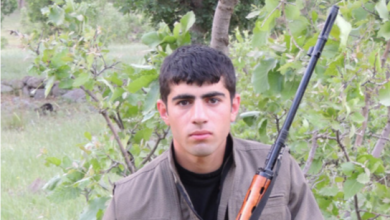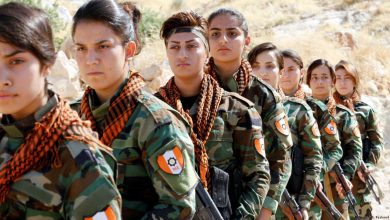


In an article for Iranian Diplomacy, Mohammad Mahdi Maleki writes that the implementation of the security agreement between Iran and Iraq promises positive changes for the western and northwestern regions of Iran. By focusing on the disarmament of armed Kurdish groups and strengthening border security, the agreement has raised hopes for economic and social development and the modernization of Iran’s Kurdish-inhabited areas. The government’s supportive policies, including granting amnesty to individuals deceived into joining terrorist groups, have not only helped foster national cohesion but have also paved the way for lasting stability in these regions.
Author: Mohammad Mahdi Maleki, Regional Affairs Analyst
Iranian Diplomacy: The security agreement between Iran and Iraq, signed in March 2023, marks a turning point in the two countries’ relations, aiming to establish lasting security along their western borders. This agreement, designed to disarm and expel armed Kurdish groups, is more than just a security measure; it provides a framework for economic and social transformation in the border regions.
The recent visit of Dr. Ali Larijani, Secretary of Iran’s Supreme National Security Council, to Iraq to follow up on the full implementation of this agreement has opened a new chapter in bilateral relations. In this context, Qassem Al-Araji, Iraq’s National Security Advisor, issued a directive banning all political, military, and media activities by Kurdish paramilitary and terrorist groups throughout Iraq, including the Kurdistan Region.
For years, the presence of armed groups in border areas posed a constant threat to residents’ lives. The insecurity caused by these groups’ movements had halted infrastructure and development projects, crippled border markets, and driven many young people, due to a lack of clear economic prospects, to join these groups. This created a vicious cycle of insecurity and deprivation that marginalized development.
Under the terms of the agreement, the central Iraqi government committed to dismantling the bases of anti-Iranian armed groups and moving them away from the border. Additionally, the Iraqi Kurdistan Region pledged to prevent any military or media activities by these groups. By opting for diplomacy and “twenty years of strategic patience” instead of direct military action, Iran demonstrated its goal was not to escalate tensions but to create lasting stability.
However, field reports indicate that the agreement has not been fully implemented. Some headquarters of armed groups are still active, and some of these groups have yet to be disarmed. This delay has, to some extent, kept security concerns alive and hindered the full emergence of a suitable environment for investment and economic development.
During Dr. Ali Larijani’s recent visit, he followed up on the judicial warrants that had been previously handed over to the Iraqi Ministry of Foreign Affairs for over 100 leaders and members of Kurdish terrorist groups residing in the Kurdistan Region. It is expected that, alongside supportive policies like granting amnesty to those who were deceived, the prosecution and punishment of these groups’ leaders will also be pursued seriously.
Despite some shortcomings, the partial implementation of the agreement has yielded significant achievements. Cross-border movements by armed groups have decreased dramatically, and scattered clashes, once a persistent problem, now rarely occur. These changes have laid the groundwork for resuming unfinished development projects and revitalizing border markets. Local residents now feel more secure, and confidence in the region’s economic future is growing.
One of the key measures by the Iranian government is granting amnesty to individuals who joined the armed Kurdish groups for reasons such as livelihood, migration, or deception, without directly participating in terrorist acts. This strategic policy helps mend social divides and prevents the recruitment of a new generation into these groups. According to Iranian law, membership in a terrorist organization can be considered an act of “war against God,” which is a capital offense. Nevertheless, granting amnesty to individuals not involved in terrorist operations offers a unique opportunity for them to return to normal life and strengthens social cohesion.
Full implementation of this agreement could transform Iran’s western borders into an engine for regional trade. The revitalization of border markets, infrastructure development, and increased export and import capacities will not only improve the livelihoods of border residents but also create new job opportunities and eradicate phenomena like kolbari (portering), which is a result of poverty and insecurity. These developments will benefit both Iran and Iraq and can bolster peace, stability, and lasting security in a tense region.
The Iran-Iraq security agreement provides a unique opportunity to end the cycle of insecurity and deprivation in the border regions. However, its complete success depends on the commitment of the Iraqi government and the Kurdistan Region to the precise implementation of its provisions. If these commitments are fulfilled, Iran’s western border regions will not only become a hub for regional trade and cooperation but will also strengthen social capital and hope among border residents. This transformation, while serving the interests of Iran and Iraq, can also contribute to regional stability and peace.