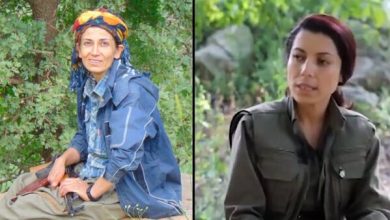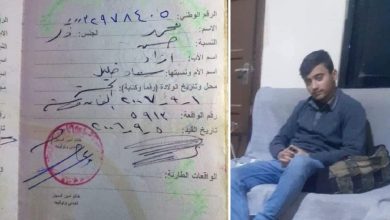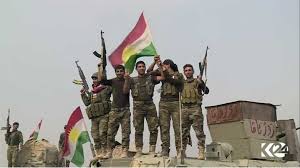

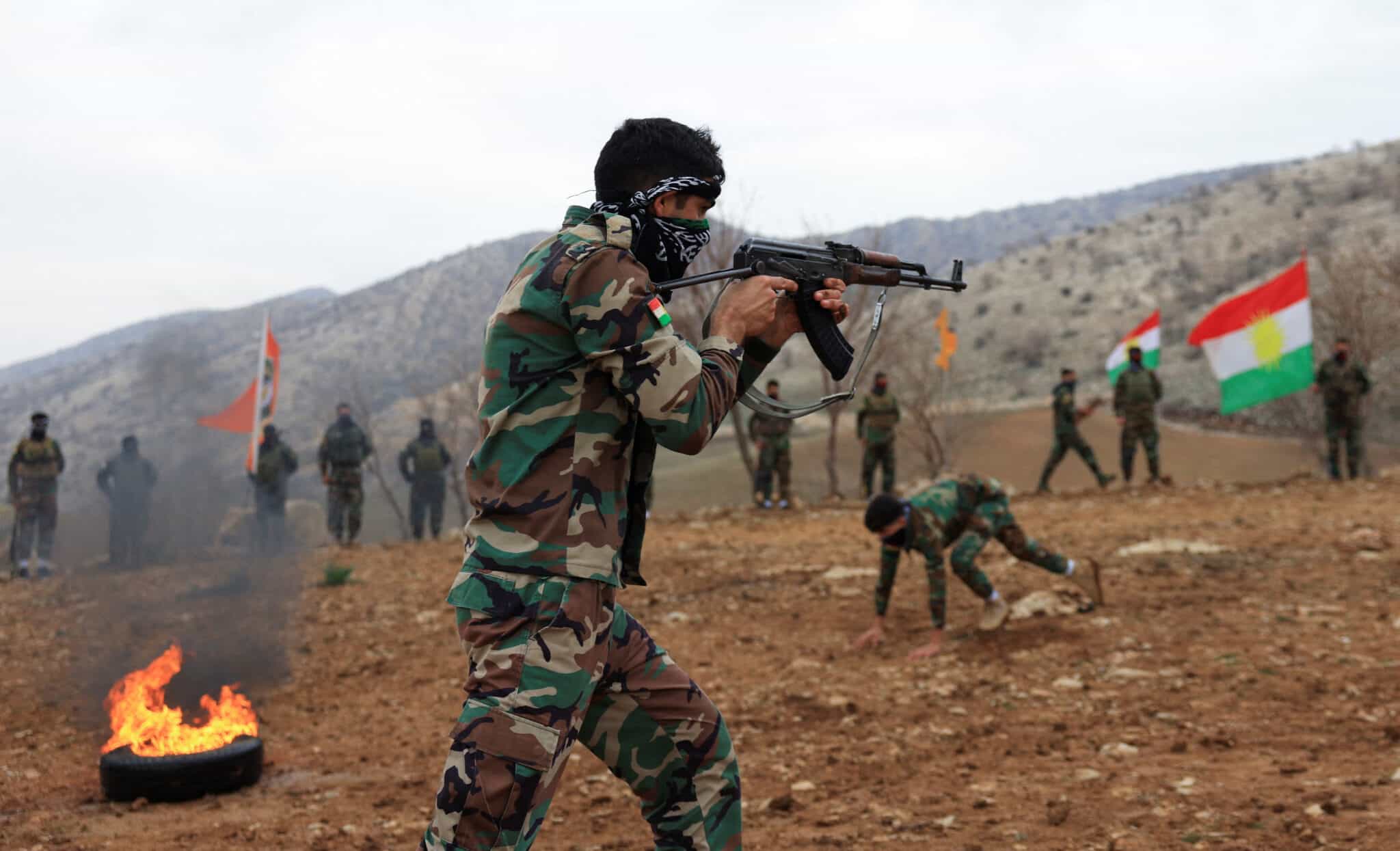
In Kurdish-populated regions, where chronic insecurity has cast a shadow over family life for years, an overlooked issue persists: the recruitment of adolescents and children by Kurdish armed groups. For many families, this is not a political debate but a humanitarian crisis—one intertwined with the disappearance of children, the severance of family ties, and vague accounts of deaths within military camps.
Over the past decade, groups such as PJAK have sought to present an image in international media centered on gender equality, social justice, and democratic autonomy. Simultaneously, however, families and some Kurdish human rights activists present a different narrative: one of teenagers recruited from impoverished and marginalized environments and transferred into military structures.
In 2014, PJAK mediated by Geneva Call, committed to refraining from using individuals under the age of 18 in armed hostilities. This agreement was part of international efforts to reduce the use of child soldiers in non-state conflicts. Nevertheless, local activists and regional human rights organizations state that cases of adolescent recruitment have continued following this pledge—claims that remain difficult to comprehensively verify due to the lack of independent access to armed groups’ camps.
Families in cities such as Mahabad, Sardasht, and Sanandaj report that their children left home and never returned after contacting local intermediaries or networks linked to armed groups. Some state they were initially promised education, political activity, or a better life. In several cases, families claim they faced pressure or threats after protesting or attempting to bring their children back.
One Kurdish mother, whose son disappeared as a teenager, says all she has received in years is a photograph and an unofficial report of his death. She still does not know the location of his grave. Such narratives are gradually becoming part of the collective memory in border regions—families caught between fear, silence, and the absence of effective legal mechanisms.
Human rights experts assert that the use of individuals under 18 in armed conflict, regardless of a group’s political or ideological identity, contradicts the fundamental principles of international law. The United Nations and its affiliated agencies have repeatedly warned against the use of children in hostilities. According to the Optional Protocols to the Geneva Conventions and documents related to the rights of the child, non-state armed groups also bear the responsibility to refrain from the recruitment and military use of children.
However, enforcing these standards in areas outside state control is difficult. Armed groups typically lack transparent structures, and access for independent monitors to recruitment networks is restricted. This has resulted in many cases never reaching the stage of full legal documentation.
The issue of child soldiers in the Middle East has long been part of a broader crisis of non-state and attritional warfare—a crisis where children are often pulled into a cycle of violence and ideology before they can imagine a future for themselves. In this process, the families who have lost their children remain the least visible.
For human rights organizations, the core question is not merely about one specific group; it is about whether international child rights standards are applied uniformly, regardless of the political affiliation of armed actors. Until there is a clear answer to this question, many Kurdish families will continue to feel that their suffering remains marginalized.
Source on Geneva Call: https://www.genevacall.org/news/iran-kurdish-armed-movement-commits-use-children-hostilities