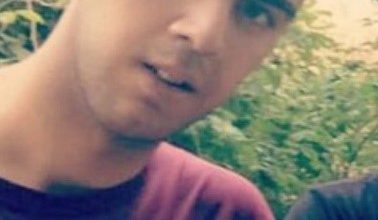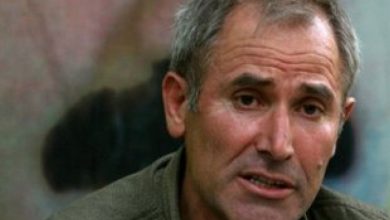

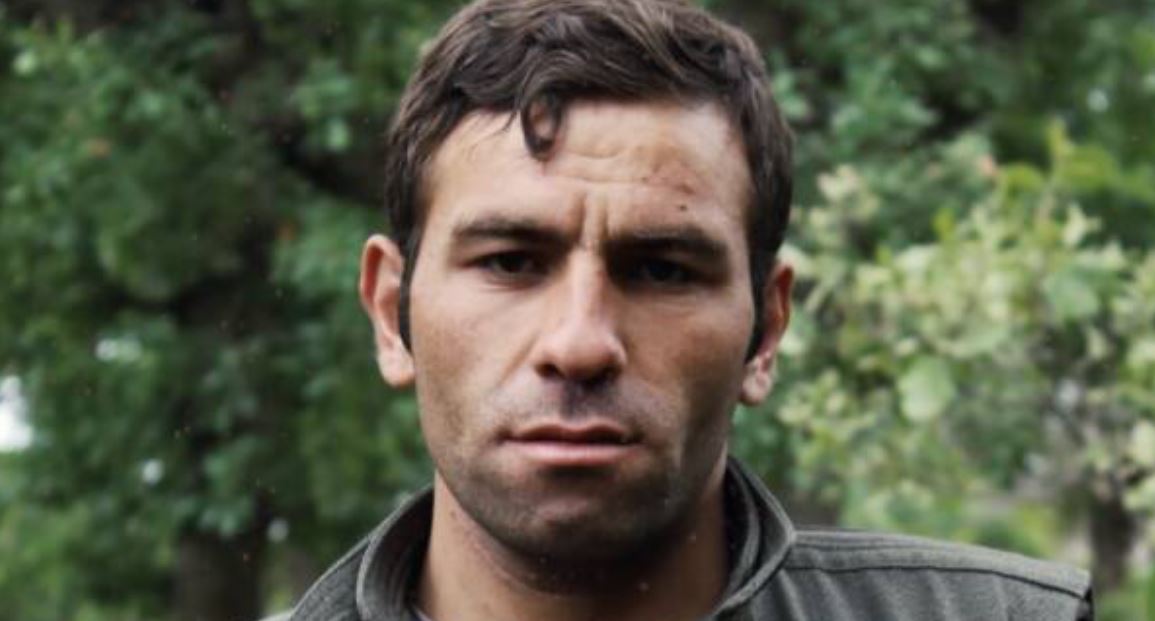
Fereydoun Nourizadeh, a young villager from Saqqez, had only attended four years of school. His life was spent tending sheep in the mountains. Yet, a few simple conversations with members of the PKK changed the course of his destiny. Seven years later, his family learned of his death only through a televised news report.
In recent years, numerous cases have been reported concerning the recruitment of teenagers and young adults from Iranian Kurdistan’s villages by armed groups in Northern Iraq. These individuals, often lacking formal education, facing difficult economic circumstances, and without political awareness, become targets for the direct or indirect propaganda of these armed factions.
Fereydoun Nourizadeh is one such victim—a boy with no political history and no military training. His only wish was to help his family and live a peaceful life in his village near Saqqez. However, repeated encounters with PKK members in the highlands where he worked permanently altered his life’s path.
Iranian Kurdistan Human Rights Watch shares the following account from Fereydoun’s older brother—an interview that paints a clear picture of the deception, vulnerability, and agony of families whose loved ones departed for the Qandil mountains, never to return.
The Interview with Fereydoun’s Brother
Please introduce yourself and tell us a little about your family.
I am Fereydoun’s older brother. We are from a village near Saqqez. Our life has always been simple and difficult. Our father was a farmer, and we grew up working the land and tending sheep. We didn’t have proper electricity or a decent school. I studied until the fifth grade, and Fereydoun until the fourth. After that, it was nothing but work, work, work.
Our family was not political. We didn’t belong to any group or party. We were just trying to earn an honest living. We would take the sheep to the mountain in the morning and return in the evening. Fereydoun was calm as a child, but he had a certain curiosity in his gaze. He rarely had disputes with anyone, but sometimes he would just sit quietly, lost in thought. He would always say, “I wish we could get out of this situation,” but he never said how.
Tell us more about Fereydoun. What kind of person was he?
Fereydoun was born in 1989. He was one of those kids who everyone loved. He had a beautiful voice; whenever he took the sheep to the mountains, he would sing. He wasn’t one to cause trouble, but he was easily trusting. If anyone spoke a few nice words, he would believe them. He wasn’t involved with alcohol or fighting. He just wanted to help our father with the expenses.
He was a child of the mountain—humble and simple. Even his clothes always smelled of sheep and grass. Everyone in the village liked him because they never saw any bad in him.
How did he become involved with the group? Did you see any signs of this decision?
It was the beginning of 2009. Back then, he frequently went to the high-altitude pastures with the sheep. A few times, he mentioned seeing some “mountain dwellers” in military uniform, but they didn’t speak Persian. We thought he was joking. He said he drank tea with them, liked them, and said they were polite people who spoke of freedom.
We didn’t take it seriously. Neither my father nor I thought those conversations could lead to this end. A month or two later, he went to the mountain one morning and never came back. At first, we thought he was attacked by a wolf or got lost. But then some shepherds said they had seen several armed individuals with Fereydoun that day. That’s when we realized he was gone.
Did you try to bring him back after he left?
Yes, but we had no means at the time. The border was closed, and there was no way to communicate. My father went everywhere, but no one gave him a straight answer—not even those who claimed to be aware of the movements on the other side.
We just wanted to know if he was alive. But years passed with no news. Every day, my mother would sit by the road. She would say maybe he would return one day, in his shepherd’s clothes, with his staff.
When did you find out he was killed?
In 2016, seven years later. A Kurdish satellite channel mentioned his name. They said he was killed in a clash with the Turkish army. It was hard to believe because we had no proof or photo—only his name.
My mother didn’t speak for a week. She just stared at his old photo. She said, “It must be a mistake. He is still alive.” But deep down, I knew he wouldn’t return.
Did your family travel to Qandil? What was that experience like?
Yes, my parents went. They said they had to see it with their own eyes. Some villagers helped them get there. But no one gave them a clear answer. They said there were many bodies and they didn’t know where he was buried. They only said he was killed in a clash on a certain day—that was it. They showed them no grave, no clothing, nothing.
When they returned, my mother was not the same person. She became silent, stopped eating. She kept repeating one sentence: “If he is dead, why won’t they let me cry at his grave?”
Four days after they returned, she went to sleep one night and never woke up in the morning. She wasn’t sick. The doctor said her heart stopped. But I say her heart stopped from grief, not from illness.
What has life been like since then?
Harder than anything you can imagine. My father grew old, his back hunched. I’m left with a handful of memories and ashes. No one ever answered how our son was deceived, why, and who is responsible for this pain.
With every passing year, a piece of the village, of us, of our life, is chipped away. Even the neighbors don’t ask anymore. It’s as if his death must remain as silent as his leaving.
If Fereydoun were alive today and could hear your voice, what would you say?
I would say: “Brother, I wish you had turned back the day you first drank tea with them. I wish you had thought about it just one more time. We were not enemies of freedom, nor obstacles to your dreams. We were just your family. I wish you knew what happened to us after you left. Mother only endured for four days. I wish you could see how broken Father is. And I wish you knew that every night, we still hear the sound of your footsteps inside the house…”
Fereydoun Nourizadeh’s story reflects the fate of hundreds of young Iranian Kurds who, amid media silence and a lack of public awareness, have become prey to the deceptive networks of armed groups. In many of these cases, like Fereydoun’s, the victims were neither politically active nor knowledgeable about the military structure and goals of these groups.
This report once again underscores the necessity of education and awareness in border rural areas, where poverty, lack of job opportunities, and weak access to accurate information open the door to exploitation by armed factions.
In parallel, responsible authorities and human rights organizations must act to identify, register, and follow up on the fate of members who are missing or killed in these groups, to bring closure to their families.
The narrative of Khaled Nourizadeh is a painful reminder that war and extremism always claim their first victims from among the simplest and most vulnerable human beings.