
The Dawn That Had No Awakening
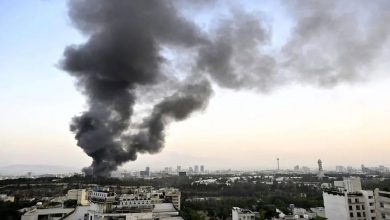
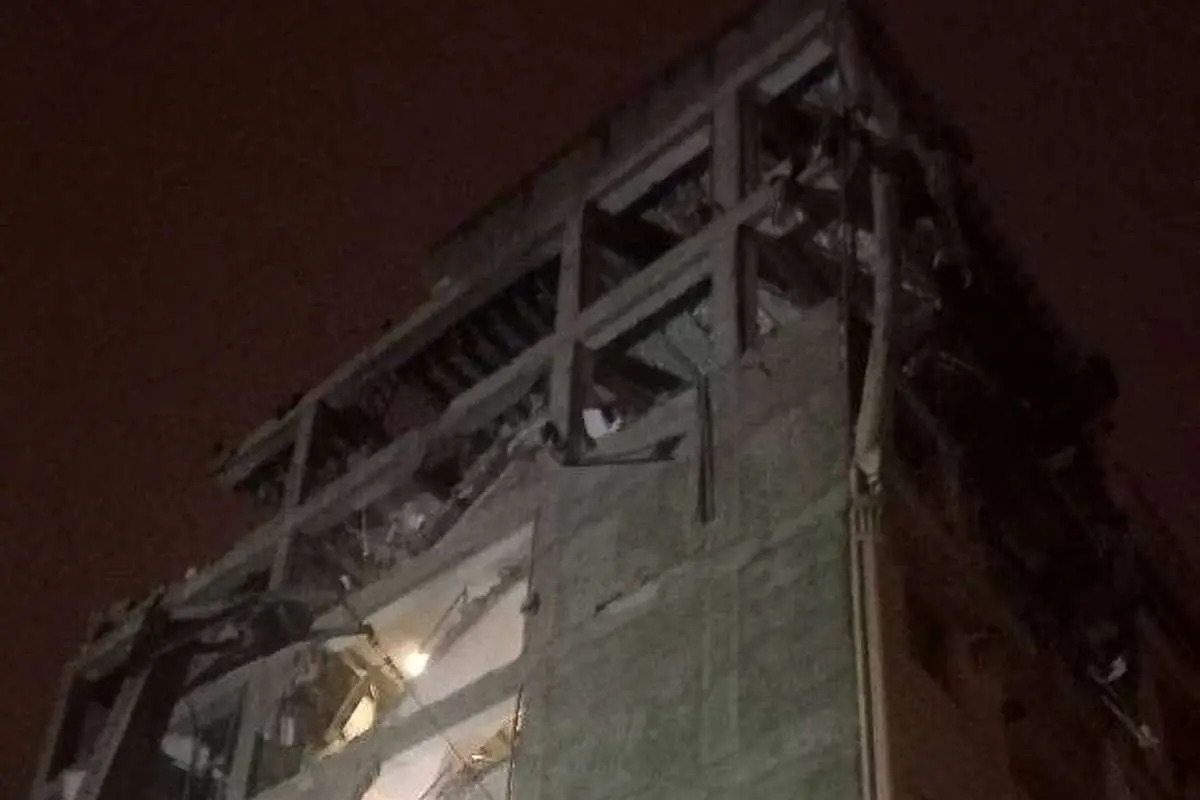
In the early hours of March 23, 2026, at approximately 4:00 AM, a massive explosion shattered the silence of a residential neighborhood in Urmia. The incident occurred in the Behdari district of Sangi Street, an area composed of family homes where children and citizens were in their nightly rest. Reports indicate that this tragedy claimed at least seven lives and injured ten others—numbers that represent lives extinguished in mere minutes.
Human Narratives from the Rubble
Among the deceased, several heart-wrenching stories highlight the fragility of life:
-
The Young Couple: A young couple who had returned from a trip just one hour before the incident to begin a new chapter of their married life perished in the blast. The future they had traveled so far to build was never realized.
-
Nazanin Zeinab Molaei: A fifth-grade elementary student whose name, instead of being called in her morning school roll call, was placed on the list of victims of a violent act.
-
The Rahmani Family: Naeem Rahmani Mirshekari lost his life in one of the residential units, while his wife and two children were severely injured, their daily lives transformed into grief and shock in an instant.


Evaluation under International Humanitarian Law (IHL)
The protection of civilians is an absolute and binding obligation under all circumstances. Based on established international legal frameworks, this attack constitutes a violation of the following:
-
Common Article 3 of the Geneva Conventions (1949): Prohibits any act of violence against persons taking no active part in hostilities.
-
Article 27 of the Fourth Geneva Convention: Mandates that the lives, dignity, and security of civilians must be protected at all times.
-
Articles 32 and 33 of the Fourth Geneva Convention: Consider the protection of civilians against great suffering and serious injury a fundamental principle.
-
Additional Protocol I (1977), Article 51: Explicitly prohibits attacks against the civilian population or indiscriminate attacks, establishing the Principle of Distinction between military and civilian targets as a core rule.
-
Article 52 of the Additional Protocol: Specifically excludes residential homes and civilian property from being considered military objectives.
-
The Rome Statute (International Criminal Court): Defines intentional attacks against civilians as a serious violation of humanitarian law and a potential war crime.
Conclusion
In the ruins of the homes on Sangi Street, more than physical structures were destroyed; individual dreams, the futures of children, and the peace of families were severed. While hours have passed since 4:00 AM, for the grieving families, that moment remains frozen—the second when the security of a neighborhood collapsed and the lives of dozens were changed forever.