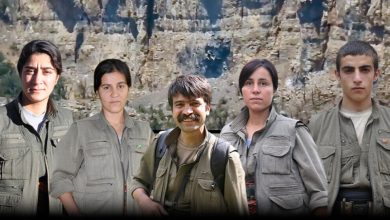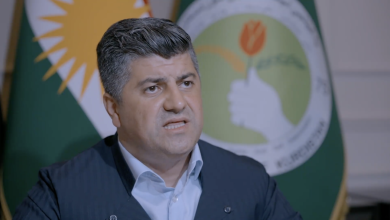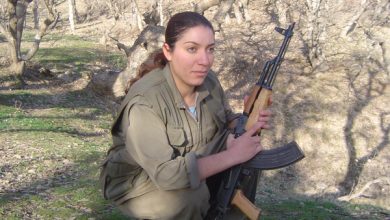

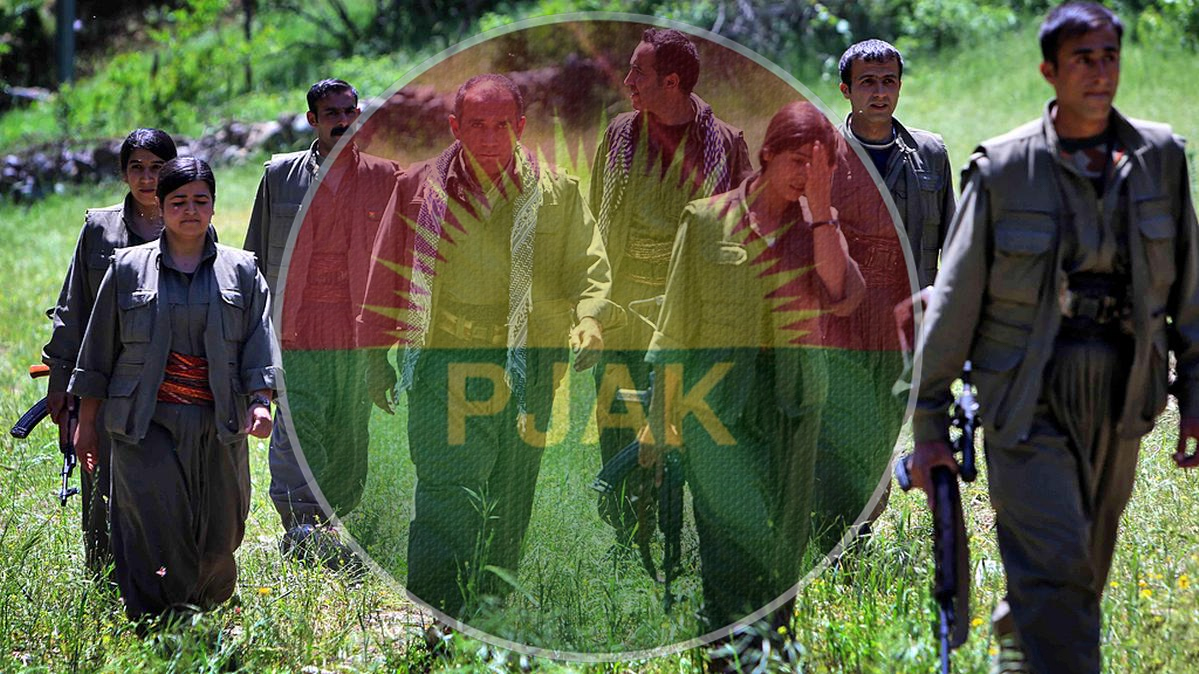
The new statement issued by a member of PJAK appears to be more of a “tactical maneuver” and a sign of discursive instability rather than a fundamental transformation. This group, which entered the scene with explicit independence-seeking rhetoric, now speaks of concepts such as “democratic convergence,” “universal participation,” and a “democratic political system.” A review of their history reveals that this linguistic shift is a continuation of a multi-stage process previously repeated by their parent organization, the PKK.
Historical Roots: From the 1978 Manifesto to Political Pivots
To better understand this change, one must look at the historical roots of the PKK and the role of Abdullah Öcalan:
-
Formation with Independence Slogans (1978): Öcalan founded the Kurdistan Workers’ Party with the manifesto “The Path of the Kurdistan Revolution.” At this stage, the primary goal was full independence and the establishment of an independent Kurdish state, with armed struggle as the main tool for achievement—a path that led to extensive warfare and heavy human costs in the 1980s.
-
The Pivot Post-Arrest (1999): Following Öcalan’s arrest in 1999, he suddenly distanced himself from previous positions. Instead of independence, he spoke of preserving territorial integrity, and concepts like “Democratic Confederalism” replaced the slogan of independence. This pivot demonstrated that the discourse of this movement is entirely subject to political and tactical conditions.
-
Announcing the End of Armed Struggle (2025): In the latest significant change, the PKK officially announced the cessation of armed struggle in 2025, claiming to replace military action with political activity.
PJAK’s Contradiction with the Parent Movement: The Refusal to Decommission Arms
The key point is that PJAK, as an Iranian branch of the PKK, did not accept this change (the cessation of armed struggle). Unlike the PKK, this group refused to announce the laying down of arms, even symbolically. Based on interviews recorded in the archives of the Iranian Kurdistan Human Rights Watch (IKHRW)—to be published soon—defectors have revealed that PJAK continues to promote independence-seeking rhetoric and plans for the partition of Kurdistan among its forces. This contradiction between “internal training” and “public democratic statements” is glaringly obvious.
The Issue of Training and Foreign Support
In addition to internal contradictions, the issue of military training and foreign support is prominent. According to narratives in the IKHRW archives, the presence of training personnel linked to the United States and Israel has been reported in certain headquarters. This reality suggests that the movement effectively functions as a military arm for foreign powers in the region.
Why was this Statement Issued in April 2026?
The timing of this statement’s release reveals its tactical nature:
-
It coincides with the military conflicts involving the U.S. and Israel against Iran.
-
It aligns with widespread public presence in the streets, with the group attempting to bridge the gap with public opinion.
-
It responds to increased security pressures and Iranian strikes on the group’s headquarters in the Kurdistan Region. During this same period, remarks by Donald Trump and Benjamin Netanyahu regarding the use of armed groups as military tools against Iran have further complicated the political landscape.
Conclusion: Practical Conduct as the True Measure
The message of this statement seeks to portray their grievance as solely with the government structure while identifying Iranian Kurds as part of the Iranian society. While this linguistic shift appears positive on the surface, given the continuation of the armed struggle and the persistence of internal positions, it resembles a political maneuver to navigate the current deadlock.
The true measure for judging these claims is practical conduct. Until a verified laying down of arms, a genuine distancing from independence-seeking rhetoric, and a real acceptance of political participation are observed in practice, this change in vocabulary will be regarded merely as an attempt to weather new and difficult conditions.