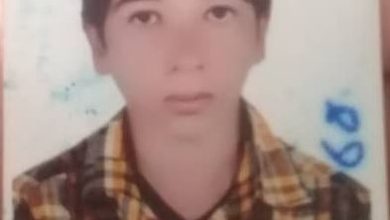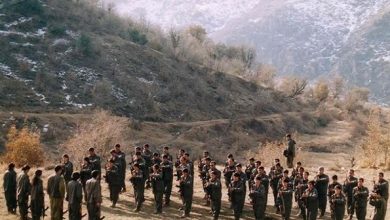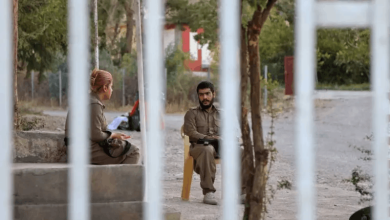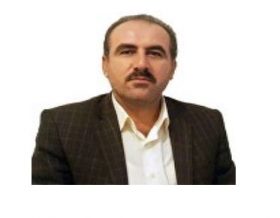

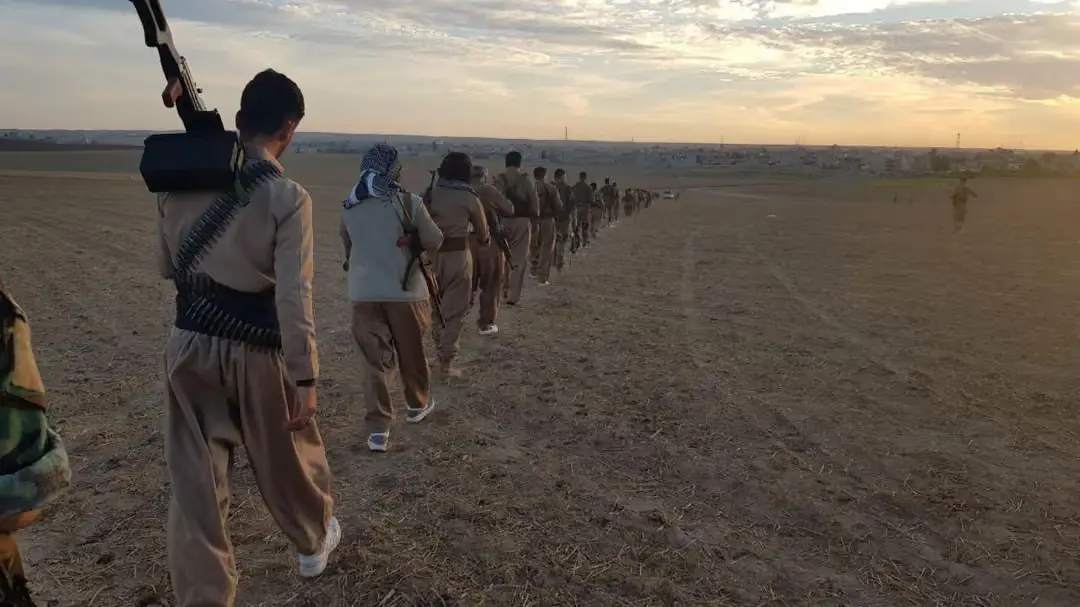
Gilan-e Gharb — Kaveh Shahbazi, 23, who lives in a village near Gilan-e Gharb, says that while he was still a teenager, he became acquainted through Instagram with people who encouraged him to join Komala. According to him, promises of money, a home, a vehicle, and employment, combined with a conflict he was experiencing with his family at the time, ultimately led him to decide to join the group.
Komala is a name used by several Kurdish political and armed movements. Some of these movements have engaged in political and armed activities for decades, and reports by international human rights organizations have also referred to the armed activities of some of them. However, there are differences among the various branches and organizations that have used the name Komala, and attributing a particular report or allegation to a specific branch requires independent verification.
A reporter from the Iranian Kurdistan Human Rights Watch traveled to Kaveh’s home village near Gilan-e Gharb to conduct this interview. It is a village with a pleasant climate where Kaveh now works in livestock farming. He says he is satisfied with his current life and considers the simple life he now leads, surrounded by his livestock and with the freedom to move and communicate with his family, far more valuable than the conditions he experienced during his brief time with Komala.
Kaveh says that approximately five or six years ago, when he was not yet seventeen and had completed only the fifth grade of school, he became acquainted through his mobile phone and Instagram with people who invited him to join Komala. According to him, they promised that if he joined, they would provide him with a vehicle, a house, money, and a job and that he would have suitable living conditions. At the same time, Kaveh was experiencing conflict with his family, and this also influenced his decision to leave.
He says: “I was very young and did not have a proper understanding of the circumstances. Through my phone and Instagram, I became acquainted with people who told me to come and join Komala. They told me they would give me a car, a house, and money. They said I would succeed there and that they would give me a job. At the same time, I had argued with my family, and that made me serious about leaving.”
According to Kaveh, his time at the location where Komala forces were based was very brief, lasting approximately twelve days in total. He says that after arriving, he encountered conditions that were very different from the expectations and promises that had led him to leave.
He says: “When I arrived, I saw that we were in a remote and isolated area. I live in a village myself, and our village is also far from the city, but our house has water, electricity, gas, and a bathroom. There was almost nothing there. We didn’t even have clean drinking water.”
Kaveh says his first request after arriving was to contact his family, but this request was refused. He recounts: “As soon as I arrived, I said I wanted to speak with my family. They wouldn’t let me. I insisted again, but they still refused. Then they started beating me. I said I absolutely would not stay there and wanted to return to my family.”
He says that in the following days he repeatedly asked to return but was met with opposition and violence: “They kept us in a room for about ten or twelve days. Every day I said I wanted to return to my family, but they wouldn’t accept it. Because of that, they started beating me, and they beat me as hard as they could.”
According to Kaveh, his contact with people outside the place where he was staying was also extremely limited. “They wouldn’t let me see anyone. I only saw two or three people. I practically felt as though I was imprisoned. I didn’t understand why I was being held. I had gone there myself to join them, but after I arrived, the conditions became such that I felt imprisoned and was not allowed to contact my family or return.”
Kaveh also describes the poor sanitary conditions at the location where he stayed, saying that he was unable to bathe throughout his entire stay. He says: “During all those twelve or thirteen days, I couldn’t take a shower even once. There wasn’t even a bathroom I could use. The sanitary conditions were very poor.”
Another part of Kaveh’s account concerns people who, according to him, were underage when he was at the group’s base. He says he saw teenagers approximately fourteen to sixteen years old who were armed. According to him, girls and women were also present at the site, including some who were underage.
Kaveh also says that one of the people who beat him was a teenager who, according to him, was approximately thirteen to fifteen years old. He recounts: “One of the people who beat me was himself very young. I think he was about thirteen, fourteen, or perhaps fifteen. He had a gun and hit me with the butt of the gun. Two or three others were with him and they beat me as well.”
The presence and use of people under eighteen by some Kurdish armed groups have previously been raised in reports by international human rights organizations.
Kaveh says his brief experience with Komala continues to affect his social and professional life. He says: “I really have a complaint against Komala and I am trying to find a way to file a complaint against them, but I don’t know where to go or how to file it. I don’t know whether my complaint would have any effect at all, but I do have a complaint against them.”
According to him, his brief association with the group has also led to mistrust when he looks for work: “Wherever I go looking for work, when they find out about my past and learn that I was involved with a Kurdish armed group, they don’t trust me. No company or factory trusts me, and they say, ‘You previously collaborated with these terrorist groups.’”
He says that in their area, without exception, people equate all these groups with ISIS, and that he is always ashamed that, even for a short period, he was among them. He says he is well aware of how people in the area view the group. Kaveh also criticizes officials for not discussing these groups in villages, or in villages such as his own, so that teenagers like him are not deceived and subsequently left disappointed and stigmatized among their fellow villagers, friends, relatives, and the wider community.
He says he knows that he has damaged his father’s reputation and that this causes him considerable distress.
Kaveh says that, in his view, he was deceived by the promises made to him before he left, and that this is why he now wants to pursue the matter through legal channels. He says: “They ruined my life. They beat me and caused me to be deceived and to leave the country illegally. I want to seriously file a complaint against them for this.”
He further emphasizes that even if the promises made to him had been fulfilled, freedom would have mattered more to him: “Even if we assume they had fulfilled every promise they made—if they had given me a car, a house, money, and a job—once they take away a person’s freedom, none of those things is of any use.”
Kaveh now lives in Iran and works in livestock farming. He says: “I have sheep now and I raise livestock. I take my sheep out to graze. I am truly free and I enjoy my life.” He emphasizes that nowhere can replace Iran for him and says: “There was no freedom at that time. I was only there for twelve or thirteen days, but I wasn’t allowed to communicate freely with anyone. I have a simple life now, but I am free here.”
The account presented in this report is Kaveh Shahbazi’s direct testimony regarding his personal experience. His statements concerning the promises made to him, restrictions on communication with his family, beatings, the conditions at the place where he stayed, and the presence of underage individuals are based on his personal testimony.
This interview was conducted and recorded in person by a reporter from the Iranian Kurdistan Human Rights Watch in Kaveh Shahbazi’s home village near Gilan-e Gharb. An audio recording of the interview is held in the archives of the Iranian Kurdistan Human Rights Watch and, if required, may be made available to researchers, lawyers, human rights activists, and documentary filmmakers, subject to confidentiality and solely upon a formal written request.