
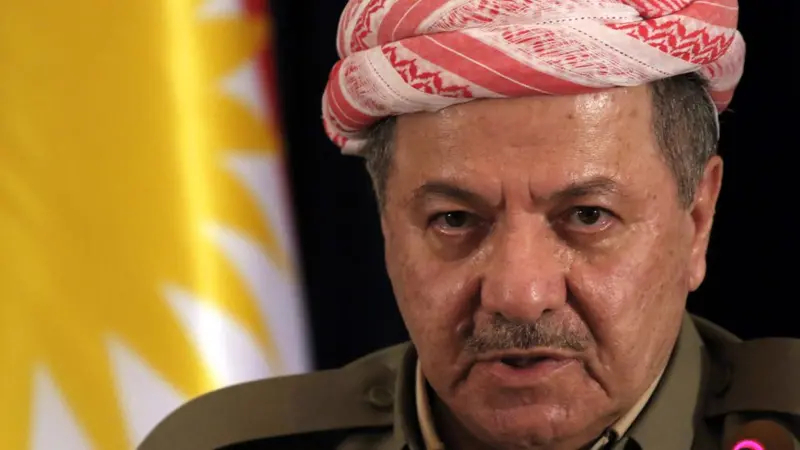
Recently, Masoud Barzani, the former President of the Kurdistan Region of Iraq, addressed the Kurds in a message framed as a call for peace, stating that “the message of the Kurds is peace, friendship, and tranquility,” while wishing prosperity and pride for Iranian Kurds in the Kurdish-inhabited regions of Iran. However, what is noteworthy in this message is the use of the term “Rojhelat” in the official rhetoric of this Iraqi political figure.
Lexical Analysis: The Center of the KRI and the Iranian Periphery
The term “Rojhelat” is applied to the eastern regions of Kurdistan. In effect, it positions the Kurdistan Region of Iraq (KRI) as the center of a hypothetical unit and defines other Kurdish-populated areas as its East, West, North, and South. This trend appears to be pursued within the framework of a targeted cultural and political project. This term, which has been used in recent years to refer to the western regions of Iran, is assessed by critics as an attempt to grant identity to a separatist discourse. Notably, this term is not common or familiar among many Kurds in Iran and is primarily utilized in the political literature of certain factions outside the country.
Legal and Diplomatic Dimensions of Geographical Naming
From the perspective of international law, geographical naming carries significant political and legal weight. The promotion or alteration of alternative names for geographical regions can have diplomatic consequences. In international law, the determination of geographical names is usually based on historical precedent, the practice of international organizations, and established custom; disputes in this area can lead to political conflicts between states.
Contemporary International Examples:
-
The Gulf of Mexico: The decision by the Donald Trump administration to change the name of the “Gulf of Mexico” to the “Gulf of America” was met with widespread international backlash and criticism, leading to protests from some countries and diplomatic disputes.
-
The Persian Gulf: The long-standing dispute over the name “Persian Gulf,” where the use of the alternative title “Arabian Gulf” is regarded as a political act, has been met with official reactions from Iran and the insistence of international bodies on the historical precedent of the name “Persian Gulf.”
Revelations from the IKHRW Archives
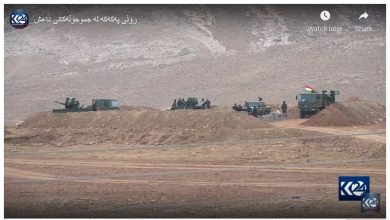
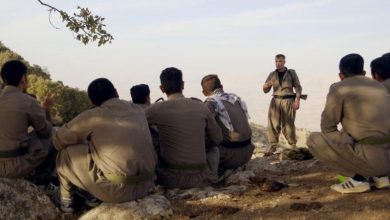
Furthermore, based on interviews conducted with defectors from Kurdish armed groups—stored in the archives of the Iranian Kurdistan Human Rights Watch (IKHRW) and set to be published soon—claims have been raised regarding financial and logistical aid from certain factions associated with the Kurdistan Region of Iraq to these groups. These individuals have pointed to financial support from the Barzani family to anti-Iranian armed groups, which, if officially released, could shed new light on this issue.
A Call for Diplomacy: The Reaction of the Ministry of Foreign Affairs
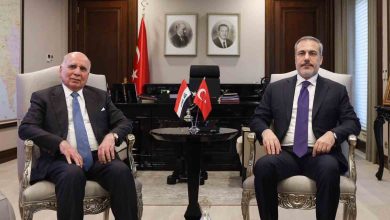
According to critics, the combination of these factors indicates a process that is being pursued through targeted naming alongside political and media support. Accordingly, it appears that the Ministry of Foreign Affairs of Iran should react to such naming conventions and officially convey its protest to the Kurdistan Region of Iraq and the central government of Iraq.
The Iranian Kurdistan Human Rights Watch, as an institution working towards the rights of Iranian Kurds, deems it necessary to follow up on this issue and requests the Ministry of Foreign Affairs of Iran to condemn this type of naming and officially announce its protest regarding this matter.