
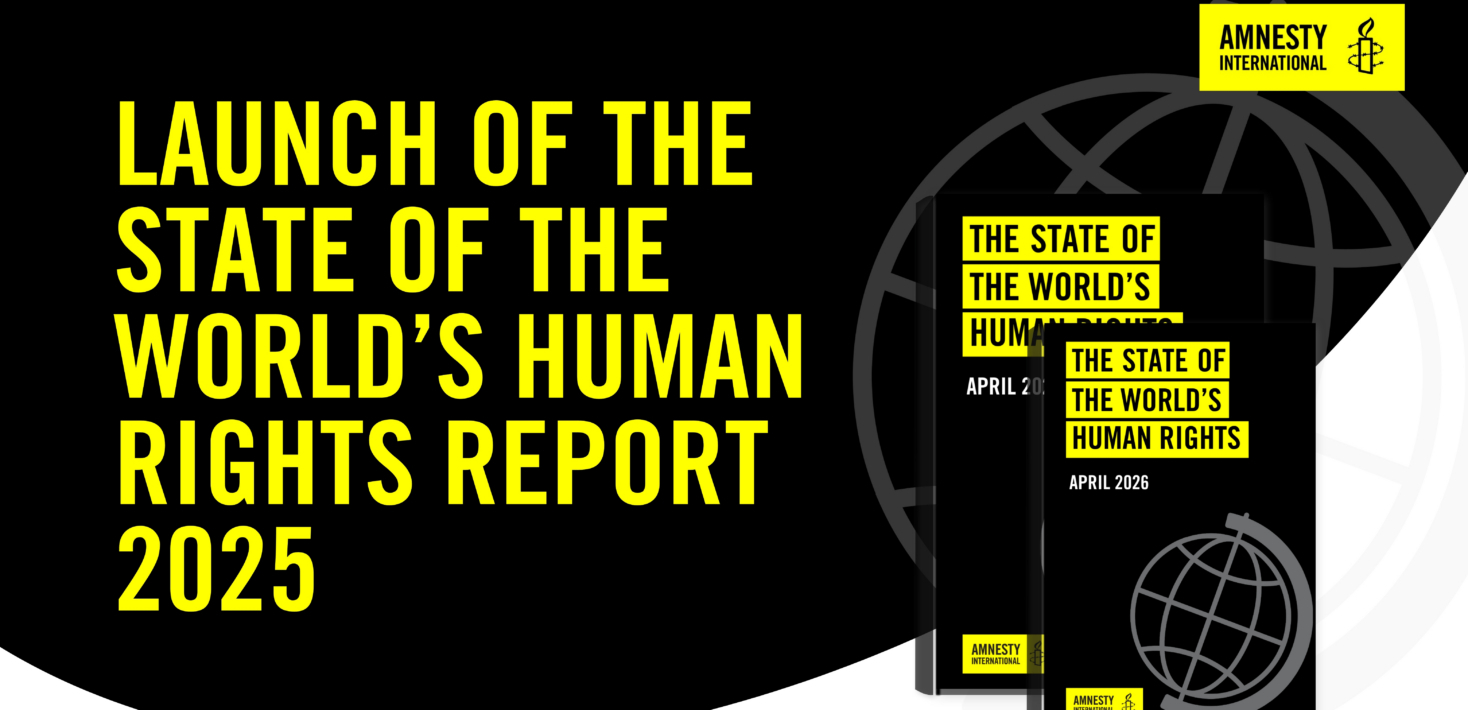
Amnesty International’s annual State of the World’s Human Rights report reveals a troubling global trend. Governments and non-state armed groups increasingly place security interests above fundamental human freedoms. From the Middle East to Africa, civilians endure the brunt of armed conflicts, political rivalries, and failed oversight. The report stresses that states are not the sole offenders; armed groups also bear full responsibility for their conduct and the resulting human suffering.
Kurdish regions reflect this widespread pattern. Decades of complex security, political, and social crises continue to impact the local population. In this environment, competing political agendas frequently push human rights to the margins. Real victims—including families of missing persons, trapped civilians, and low-ranking combatants—deserve equal protection without political double standards.
Independent human rights organizations repeatedly demand impartial investigations into abuses committed by all sides. Human rights protections do not depend on political, ethnic, or ideological affiliations. Conduct, responsibility, and adherence to basic human principles form the true standard. State authorities must uphold international humanitarian law and obligations under Common Article 3 of the Geneva Conventions. Likewise, non-state actors cannot excuse their abuses by citing historical grievances or political goals.
The ongoing exploitation of youth poses a grave threat across conflict zones. Child soldier recruitment and ideological indoctrination directly violate international law. The international community maintains that drafting minors into military structures—regardless of a group’s name or motives—requires strict independent monitoring and immediate accountability.
Women, vulnerable families, and individuals trapped inside closed militia systems need genuine protection rather than political propaganda. Human rights exist to uphold individual dignity, not to serve as political instruments for armed factions or security agencies.
Ending impunity requires effective legal mechanisms, independent investigations, and full access to truth and reparations for victims. Global efforts continue to strengthen mechanisms that prosecute international crimes and severe human rights violations.
Kurdish society must shift from a narrow security focus to a human-centered framework. Defending Kurdish populations does not justify ignoring abuses committed by local armed groups. Similarly, exposing militia abuses must never overshadow the rights of ordinary civilians.
The Iranian Kurdistan Human Rights Watch (IKHRW) maintains that lasting justice and human dignity require total accountability. Every actor—state and non-state alike—must answer for their conduct while prioritizing victim rights over political allegiances.