
Author: Dr. Pourshams
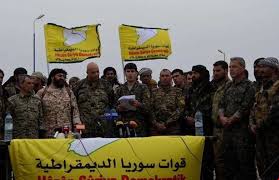
In contemporary conflicts in Kurdistan, competition does not merely unfold on military or political battlefield; a significant portion of it transpires within the realm of narrative-building and the shaping of public opinion. In recent years, a network of media outlets, political activists, and organizations affiliated with the Kurdish diaspora in Europe and North America has succeeded in playing a substantial role in reflecting developments within Kurdish-populated regions. Proponents of these networks view them as the voice of marginalized communities; however, critics argue that some of these media channels have also played a role in covering up or downplaying human rights violations attributed to Kurdish armed groups.
This divergence in narratives raises a fundamental question: When a political or military actor itself becomes the subject of human rights accusations, to what extent can media outlets close to it maintain their professional independence?
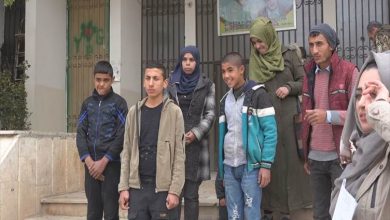
One of the most important topics under discussion is how cases involving the recruitment and deployment of children in armed groups are covered. Numerous reports from international organizations, including Human Rights Watch and United Nations-affiliated bodies, have documented instances of child recruitment by certain Kurdish armed groups in Iraq and Syria over the past years. According to international standards, the enlistment of minors into military or paramilitary structures—even under claims of personal consent—can be considered a violation of children’s rights.
Critics of diaspora-affiliated media argue that, in certain instances, the focus on the political dimensions of conflicts has sidelined the issue of children’s rights. From their perspective, narratives emphasizing sacrifice, resistance, or political struggle are sometimes presented in a manner that reduces public sensitivity toward the age and legal status of the individuals involved. Conversely, supporters of these media outlets argue that many of these reports lack the necessary political and security context required to understand regional conditions.
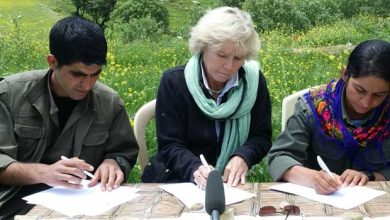
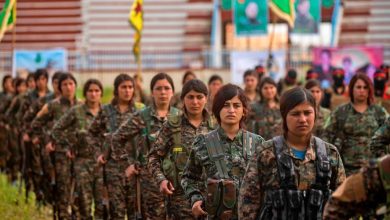
The issue of women is likewise a part of this narrative warfare. The widespread presence of women within certain Kurdish armed organizations over the last two decades has captured the attention of Western media and feminist activists. Images of armed women on the front lines of the fight against extremist groups became a symbol of Kurdish women’s political and social participation. Nevertheless, a number of researchers and former members of these organizations present a different narrative. They speak of internal organizational restrictions, rigid control over personal life, and ideological pressures; allegations that, if proven true, could raise serious questions about the gap between the public image and the internal reality of these structures.
A similar dispute exists regarding the economic consequences of armed groups’ activities. Certain media outlets focus almost exclusively on the livelihood hardships of border-dwellers and Kolbars, analyzing this phenomenon within the framework of underdevelopment and economic constraints. In contrast, critics of the armed parties argue that the presence of armed groups, extortion, pressure on local economic actors, and chronic insecurity also form a less-seen part of border realities. The lack of open access to information and the difficulty of independent verification make it challenging to accurately assess the exact contribution of each factor.
In such an environment, the main issue is not merely the validity or invalidity of one specific narrative, but rather society’s capacity to access verifiable information. The experience of many conflict-ridden regions has shown that victims of human rights violations—regardless of the political identity of the perpetrators—suffer the most when their cases become part of propaganda rivalries.
For human rights institutions, the essential challenge lies in applying uniform standards to all actors; whether they are states, armed groups, or media networks close to them. Strengthening independent verification mechanisms, ensuring families’ access to international bodies, and supporting unbiased documentation can help bridge the gap between conflicting narratives.
Ultimately, the future of human rights in Kurdistan depends less on the victory of one narrative and more on society’s ability to separate reality from political propaganda. The more closed the media space and the more restricted the possibility of independent investigation of claims, the more difficult it will be for victims and their families to achieve the truth.