
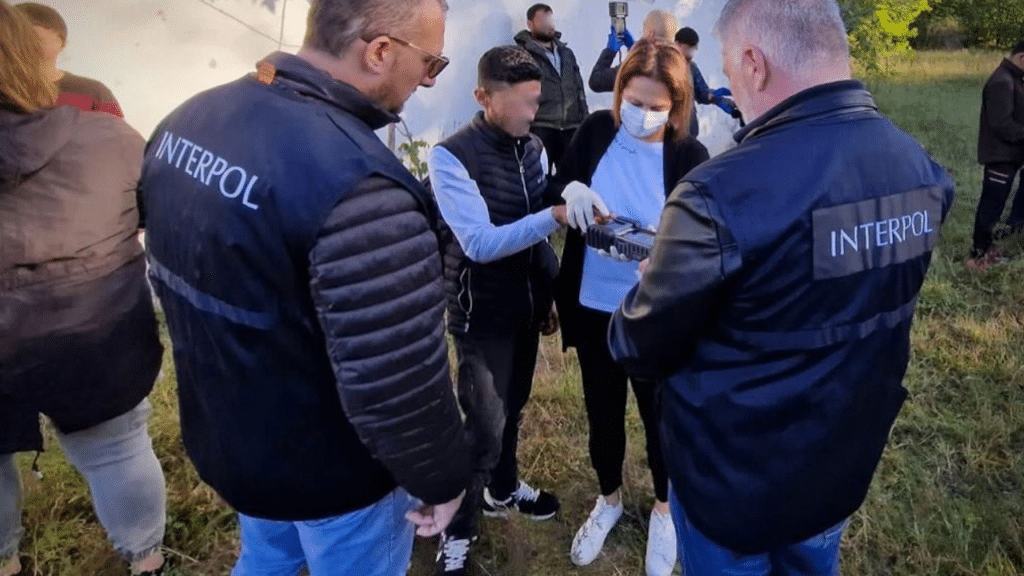
Amid rising discussions over extradition requests, Interpol Red Notices, and the judicial pursuit of certain members and leaders of Iranian Kurdish armed groups, revisiting an official position by the Kurdistan Regional Government (KRG) police can help clarify the legal aspects of this issue.
In August 2025, Karzan Amirghafouri, spokesperson for the General Directorate of the Kurdistan Region Police, stated in an interview with Channel 8 that the regional police maintain full cooperation and coordination with the Iraqi Federal Police and the International Criminal Police Organization (Interpol) within the framework of their legal duties. At the time of publication, these remarks were part of official police explanations regarding law enforcement cooperation within Iraq. However, given recent developments and the surge in debates surrounding cross-border judicial pursuits, they have once again garnered significant attention.
From the perspective of international law, cooperation with Interpol does not equate to the automatic arrest or extradition of individuals. An Interpol Red Notice is a request to locate and provisionally arrest a wanted person pending extradition or other legal actions, provided that legal conditions are met. The final decision regarding the arrest, release, or extradition of any individual is made based on the domestic laws of the country where the person is located and by the judicial authorities of that nation.
In Iraq, official communication with Interpol is conducted through the Interpol National Central Bureau (NCB) in Baghdad, and the cooperation of the country’s law enforcement agencies, including the Kurdistan Region, takes place within the framework of the Iraqi legal system. For this reason, any international request or case with cross-border dimensions requires judicial and legal formalities in addition to police cooperation.
In recent weeks, the issue of extradition requests and Red Notices against several members and leaders of Iranian Kurdish armed groups has resurfaced in the media and public sphere. In response, some of the named individuals and groups have cast doubt on the validity of these measures. Regardless of these conflicting viewpoints, the official statements from the KRG police indicate that the principle of cooperation among the regional police, the Iraqi Federal Police, and Interpol remains an integral part of this institution’s stated policy.
Alongside the rights of the accused, the rights of victims are an inseparable part of the justice system. Individuals who claim to have suffered as a result of the actions of armed groups have the right to file complaints, demand independent investigations, receive effective remedies, and seek justice. Realizing these rights demands that cases be examined based on evidence, free from political considerations, and within the boundaries of the law.
Under such circumstances, what matters most is the commitment of all responsible entities to the rule of law, transparency in the proceedings, and the concurrent respect for both victims’ and defendants’ rights. The declared stance of the KRG police regarding cooperation with the Iraqi Federal Police and Interpol should also be evaluated within this precise legal framework, detached from political rivalries.