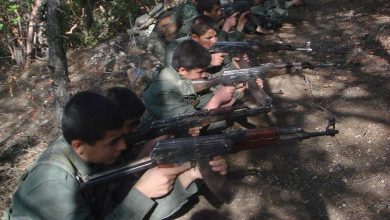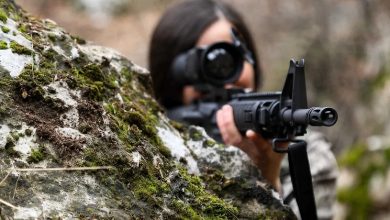

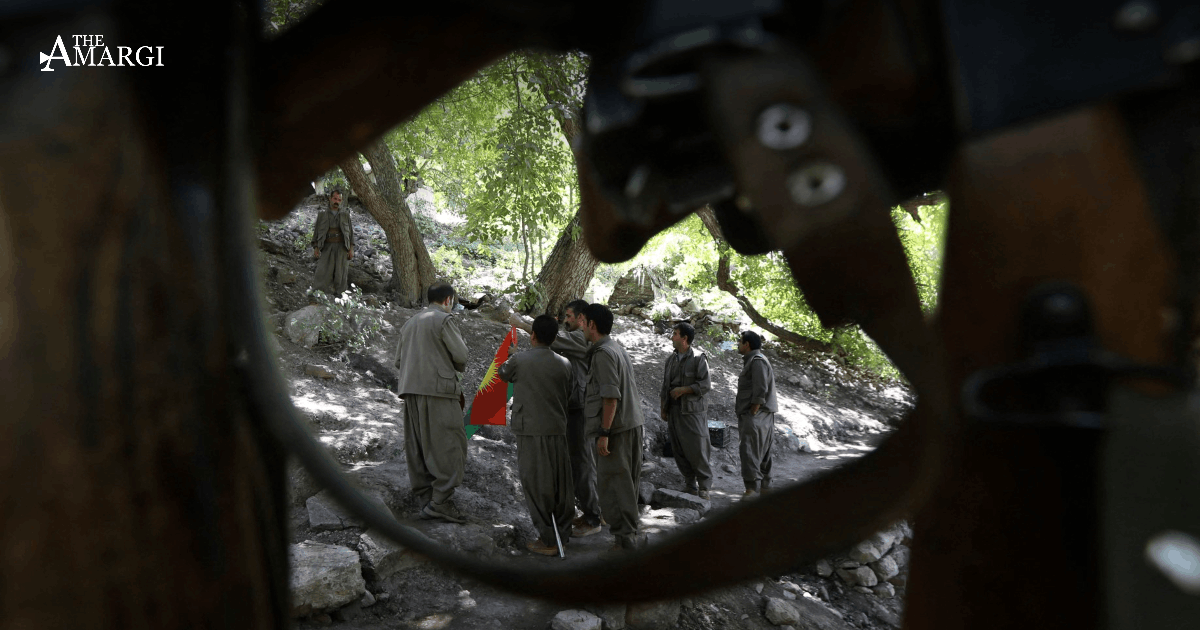
The conflict between Iran and Kurdish armed groups is not new. For decades, this ongoing confrontation has claimed the lives of combatants, civilians, and border residents. While each side claims political legitimacy, international law stands absolute on one point: armed actors must never drag children into military conflicts.
A recently published list of casualties from a Komala headquarters raises serious public concerns. The recorded birthdates reveal that at least four victims were under 18 years old at the time of the incident. If these reports are accurate, the primary question shifts from who launched the attack to why these children were present in a military facility in the first place.
This urgent question directly targets the Komala leadership, specifically Abdullah Mohtadi. Years ago, Komala signed a formal deed of commitment with Geneva Call. This agreement aimed to protect children in armed conflict and strictly prohibit child soldier recruitment or the use of minors under 18 within military structures. The logic behind this pledge is clear: groups must protect children from the dangers of armed factions, whether in active combat or support roles.
If these teenagers were staying at the Komala base, the leadership must provide public answers. What authorization allowed their presence? What concrete steps did the group take to return these minors to their families? Why did the leadership fail to evacuate and protect these youths as military strikes intensified?
These inquiries are not political; they are fundamental human rights concerns. A recent BBC Persian interview with Abdullah Mohtadi raised similar vital points. The interviewer questioned whether democracy can truly emerge through violence and why the group refuses to abandon armed conflict for peaceful negotiations. The leadership’s responses failed to ease public anxieties. The ongoing militarization primarily puts the lives of Kurdish youth at extreme risk.
An ethical contradiction also exists. Political leaders of these Kurdish armed groups live in complete security far from the conflict zones, while recruited teenagers face missiles and drone strikes. This disparity raises sharp questions about leadership accountability that demand clear answers.
Armed groups have promoted military struggle as their main strategy for decades. The time has come to evaluate the actual outcomes of this approach. Has it reduced the suffering of the local population, or has it fueled regional instability, militarized Kurdish areas, increased casualties, and further marginalized the very people these factions claim to protect?
If these leaders truly respect human rights, they must immediately implement their signed commitments. This requires removing all minors from military wings, ensuring complete transparency regarding underage members, and accepting independent international monitoring.
A clear path to reducing violence exists. Kurdish armed groups should voluntarily lay down their weapons, announce an end to military activities, and pursue their political and civil goals through peaceful channels. This shift aligns with human rights principles and breaks the cycle of violence that heavily burdens Kurdish civilians.
Ultimately, regardless of any group’s political claims, children must never become casualties of military decisions. Even a single child dying inside a military camp demands an independent investigation, transparency, and accountability. Silence will only cause these tragedies to repeat.