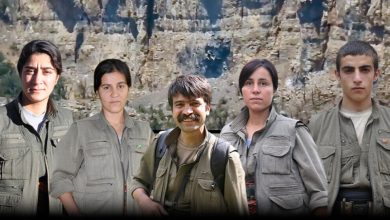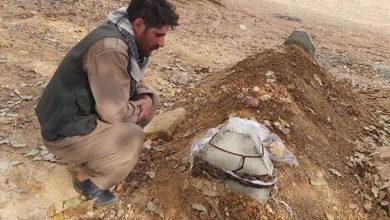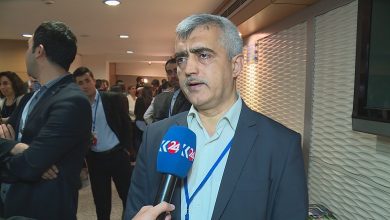

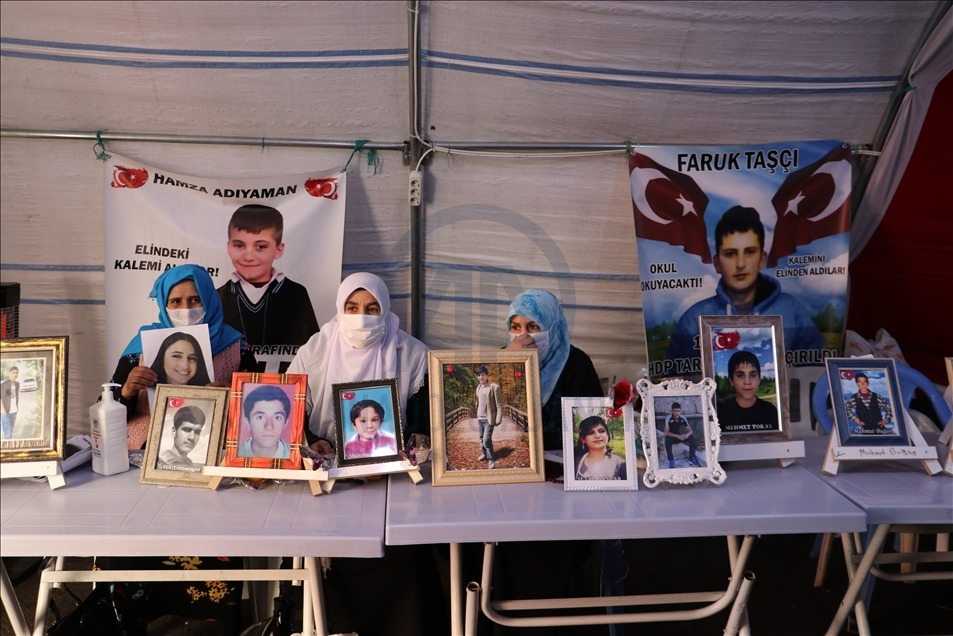
In conflict-affected zones, one of the most daunting human rights challenges is not merely the occurrence of violence, but families’ access to the truth. For families whose loved ones disappear, the lack of information is sometimes as agonizing as the incident itself ; they become trapped between hope, fear, and a deep distrust of various institutions. In a Kurdish-language interview, a witness provided an account of a complex process surrounding the disappearance of a young man ; a narrative claiming that individuals affiliated with the PKK asked family members to visit a location where human remains were later discovered. The witness alleges that before the remains were found, the specified area had been surveyed by a drone, and he was subsequently asked to go there. He also states that due to concerns for his and his family’s safety, he refrained from taking his relatives with him.
Regardless of how much of it is ultimately corroborated by independent investigations, this account highlights a fundamental human rights issue: the necessity for accountability of all non-state armed groups regarding the fate of missing persons and their families. In protracted conflicts, armed groups often attempt to define themselves strictly within the framework of political or military objectives, but human rights draw a different boundary. Possessing a political goal or claiming an armed struggle does not exempt any group from a commitment to fundamental human rights principles, including the right to life, the prohibition of enforced disappearance, the families’ right to the truth, and the absolute necessity of accountability.
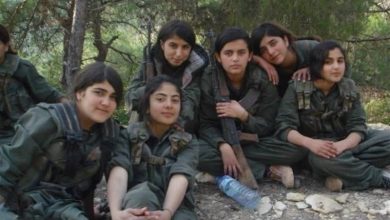
The alarming aspect of this witness’s account is the alleged existence of a “scenario” and an attempt to shape a predetermined narrative regarding the fate of the disappeared individual. If such claims are true, this is not merely an isolated case ; rather, it could signal a pattern wherein victims and their families are caught between power structures, armed groups, and security institutions. The Iranian Kurdistan Human Rights Watch (IKHRW) has also emphasized a similar concern in its previous reports: the activities of armed groups in border regions, operating outside effective judicial oversight, can pave the way for a cycle of impunity. The experience of cases related to the recruitment of minors, the instrumental use of vulnerable individuals, and the absence of independent monitoring mechanisms has demonstrated that victims are often the first whose voices go unheard.
One of the primary axes of human rights criticism directed at Kurdish armed groups, including the PKK and its affiliated networks, is the lack of sufficient transparency regarding their internal operations, accountability mechanisms, and the possibility of independent oversight of their decisions. Organizations and movements seeking political legitimacy cannot rely solely on the rhetoric of resistance and struggle ; instead, they must be accountable for allegations of human rights violations just like any other actor. In recent years, issues such as the use of children in military structures, youth recruitment, strict control in certain camps, and the lack of independent access for human rights organizations have been repeatedly raised by various activists and institutions. The appropriate response to these concerns is not political denial or accusing critics, but rather embracing the principle of independent monitoring and impartial investigation.
In cases such as this, the goal of human rights is not to issue a verdict prior to investigation; it is to prevent the victims from being forgotten. If a person has disappeared, their family has the right to know what happened to them. If an accusation is leveled against an armed group, that group has the right to defend itself through a fair investigative process ; however, it cannot replace the institution of investigation and justice itself. The core issue here is not merely a single name or organization; the issue is the right of human beings to attain truth and justice. Any armed group desiring a political or social role in the future must accept that sustainable legitimacy is derived not from weapons, but from the degree of adherence to human rights and the acceptance of accountability.
This witness’s narrative poses a serious question to public opinion and human rights institutions: what mechanism exists to independently, transparently, and apolitically investigate allegations related to enforced disappearances, suspicious deaths, and the conduct of armed groups? The answer to this question is a test for all actors involved in the conflicts in Kurdistan, because justice for victims must never be subordinated to political considerations.