
Author: Khosrow Amiri
The phenomenon of recruiting and using children in armed conflicts stands today as one of the most blatant violations of international humanitarian law and the fundamental rights of the child; a crime that jeopardizes not only the future of children but also the legitimacy of any armed actor. Over the past two decades, France has sought to position itself at the forefront of the global fight against this phenomenon, ranging from hosting international conferences to supporting UN sanction and monitoring mechanisms. However, the pivotal question remains: Is the standard that France champions at the diplomatic level applied equally in practical engagements with all groups accused of child soldiering and terrorism?
Paris: The Capital of the Fight Against Child Soldiering
In 2007, France hosted the international conference “Free Children from War,” which led to the adoption of the “Paris Commitments” and the “Paris Principles“—documents that are recognized today as milestone international frameworks for combating the recruitment of children by armed groups. These principles emphasize the prohibition of child recruitment, their immediate release, psychological rehabilitation, and reintegration into society. France was also an active player in the adoption of UN Security Council Resolution 1612, which established the monitoring and reporting mechanism on child soldiering and paved the way for listing groups and forces that violate children’s rights. At the official level, Paris presents itself as an advocate for accountability and ending impunity for perpetrators of violations against children. In recent years, the French Ministry of Foreign Affairs has repeatedly stressed the necessity of a global confrontation against child recruitment and holding perpetrators accountable.
France’s Official Policy: Protecting the Child, Not the Warrior
France has ratified the Optional Protocol to the Convention on the Rights of the Child on the involvement of children in armed conflict, and under its domestic laws, the recruitment of children under the age of 15 is deemed a war crime. The minimum age for voluntary enlistment in the French Armed Forces is set at 17, and individuals under 18 are officially barred from participating in direct combat operations. In foreign missions, particularly in certain African operations, France’s official policy has been grounded in handing over children separated from armed groups to humanitarian organizations and treating them as victims rather than criminals. This approach is evaluated as aligned with international humanitarian law principles and UN standards.
The Point of Challenge: When Policy Collides with Geopolitical Considerations
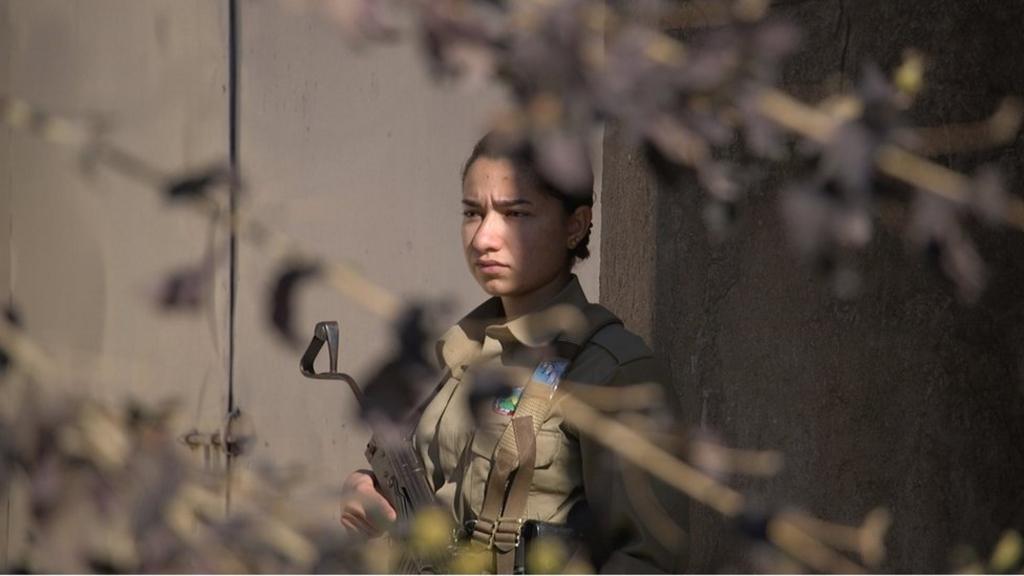
Despite this track record, a significant portion of human rights criticism targets the gap between France’s declared stances and its practical handling of certain non-state armed groups—groups that have faced allegations of recruiting and using children in international reports over the past years, yet have simultaneously enjoyed media, political space, or support networks in some European countries. Critics argue that the core issue is not merely the existence of child soldiering, but rather the selective engagement with violators. In other words, if an armed group in Africa or the Middle East faces sanctions, diplomatic pressure, and international prosecution for using child soldiers, the exact same standard must be applied to other armed groups—even those that hold a different political sensitivity for the West in regional equations. This matter becomes significantly more sensitive when certain groups accused of child soldiering face security cases and violent actions against civilians alongside child rights violations. Under such circumstances, any double standard can foster the perception that human rights criteria are occasionally overshadowed by political and geopolitical considerations.
The Credibility Crisis: When Human Rights Are Seen Selectively
The experience of the last two decades has demonstrated that the credibility of the international system for child protection depends, above all, on the equal application of standards. If the principle of accountability is enforced only against specific actors while other groups enjoy a political or media safe haven, public trust in international mechanisms will be eroded. France has played a vital and undeniable role in international norm-setting against child soldiering. Yet, this very position places a heavier responsibility on Paris. A country that portrays itself as a defender of children’s rights is bound to demonstrate a single, uniform standard toward all violating groups, regardless of political alignments. Otherwise, there is a risk that the global fight against child soldiering will be perceived not as a universal human rights principle, but as a political tool in regional rivalries—an interpretation that ultimately inflicts the greatest harm on the true victims of these wars: the children.