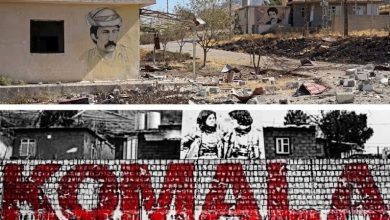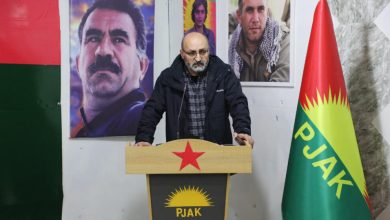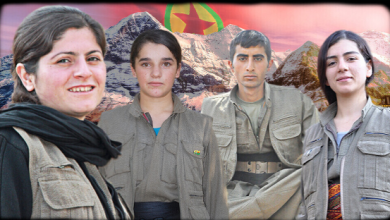

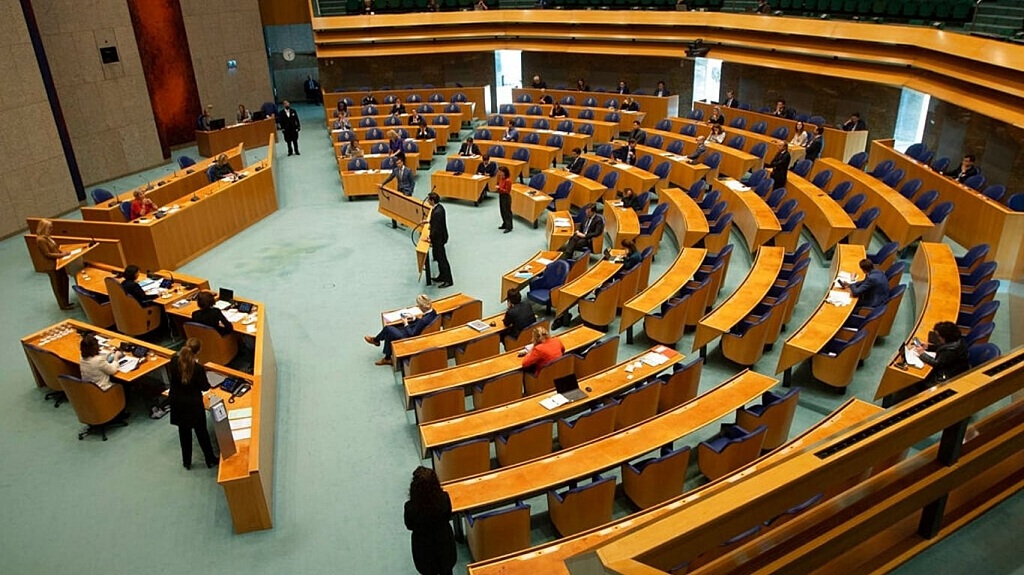
The Iranian Kurdistan Human Rights Watch (IKHRW) expresses its deep concern over the invitation extended to certain leaders of Kurdish armed parties to appear and speak at the Dutch Parliament. This raises a fundamental question: Does Europe maintain a unified standard for all victims of human rights violations, or have double standards replaced the principle of equality before justice?
Over the past years, a significant number of Iranian Kurdish citizens, acting as private plaintiffs, have filed lawsuits against certain members and leaders of Kurdish armed groups, including Komala, before Iranian judicial authorities. These lawsuits comprise allegations of murder, kidnapping, extortion, armed violence, violations of civilian rights, and other criminal offenses. According to published information, judicial verdicts have already been issued in some of these cases, and requests for international judicial cooperation have been initiated.
It is evident that the fundamental principle of the presumption of innocence dictates that no individual should be deemed guilty prior to a final judicial ruling. However, this very principle also requires that the claims of victims and private plaintiffs be seriously heard, and that suspects do not remain immune from judicial accountability.
The European Union has consistently emphasized combatting impunity, the right of victims to access justice, the rule of law, and the accountability of human rights violators. Furthermore, under the European Convention on Human Rights (ECHR), states are obligated to facilitate effective and impartial investigations into credible allegations of severe crimes and to refrain from providing a safe haven for individuals facing serious charges.
From this perspective, extending official or semi-official invitations to individuals facing numerous judicial cases and victim complaints—while ignoring the voices of the plaintiffs—sends a troubling message: that political or media status can override the necessity of legal accountability. Such an approach is incompatible with the universal philosophy of human rights, which is founded upon the equality of all victims before justice.
The Iranian Kurdistan Human Rights Watch (IKHRW) urges the Dutch Parliament, the European Parliament, the European Commission, and relevant institutions to:
-
Conduct thorough and independent reviews regarding the backgrounds, allegations, and pending lawsuits against individuals granted a platform within European institutions.
-
Hear the voices of Iranian Kurdish victims and private plaintiffs to the same extent that invitees are given the opportunity to present their views.
-
Review official requests for judicial cooperation from competent authorities in accordance with international obligations, domestic laws, and fair trial standards, should they be received.
-
Abstain from any action that could foster the perception of a practical immunity from accountability for those accused of serious human rights violations.
In conclusion, the Iranian Kurdistan Human Rights Watch (IKHRW) emphasizes that this statement is neither an opposition to freedom of expression nor a rejection of political dialogue. Our objection is directed toward the double standards that occasionally marginalize victims’ rights in favor of political considerations. If Europe considers itself the global champion of human rights, it must demonstrate that these principles apply equally to all individuals, regardless of political affiliation, ethnicity, or status.
Justice holds credibility only when no victim feels that geographical boundaries or political considerations have stripped away their right to be heard and their access to justice.