
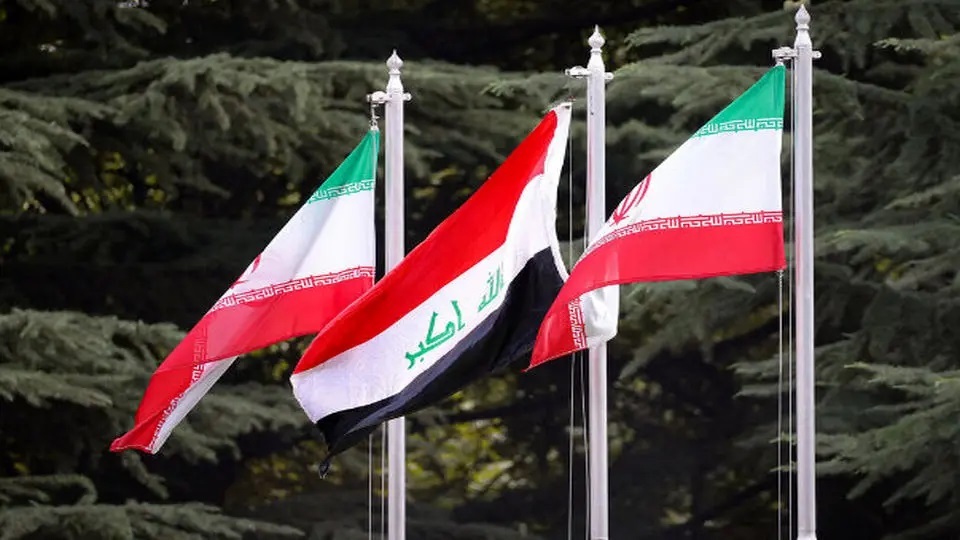
The Iranian Kurdistan Human Rights Watch (IKHRW), while welcoming the de-escalation of tensions in the Kurdish region and the joint efforts of the Islamic Republic of Iran and the Republic of Iraq to terminate armed conflicts, believes that the success of any sustainable security agreement requires simultaneous attention to the humanitarian, social, and human rights dimensions of the crisis.
Recent statements by Qasim al-Araji regarding the Iraqi government’s commitment to implementing the security pact between the two countries, and preventing the use of Iraqi territory for armed actions against neighboring states, could inaugurate a new phase in reducing violence and restoring stability to border areas. However, the IKHRW emphasizes that this process must not be pursued solely through a political and security lens; rather, the rights of victims, families, and vulnerable individuals must be placed at the center of attention.
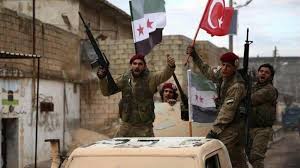
Field investigations and findings by the IKHRW indicate that a significant portion of individuals currently present within the structure of Kurdish militant groups were recruited not based on deep ideological convictions, but rather as a result of poverty, deprivation, social anomalies, livelihood challenges, lack of educational opportunities, and harsh living conditions. Among these individuals, a considerable number of rural youths, poorly educated persons, and even children and minors are observed, who have fallen victim to the cycle of violence and political exploitation.
Accordingly, the IKHRW maintains that these individuals should not be treated purely as “military elements” or “terrorists.” Fundamental human rights principles and international standards, including the provisions of the Convention on the Rights of the Child and principles concerning the rehabilitation and reintegration of individuals involved in armed conflicts, demand that the groundwork for the safe and voluntary return of these individuals to society be established.
We propose that the governments of Iran and Iraq, as well as the officials of the Kurdistan Region of Iraq (KRI), formulate specific mechanisms for the repatriation of these individuals, granting judicial leniency, social support, and rehabilitation programs. Although existing evidence suggests that this process has been pursued informally by the Islamic Republic of Iran in certain instances, it is essential that this policy be officially declared and consolidated within transparent and confidence-building frameworks, ensuring that families and individuals within these groups feel more secure about their future.
In recent months, numerous families of members of these groups have contacted the IKHRW, expressing deep concern over the fate of their children. Among these cases are reports involving minors and children, which raise grave human rights concerns. Consequently, the diplomatic apparatus of the Islamic Republic of Iran in Iraq and the KRI is expected to demonstrate greater sensitivity to the grievances of these families and to incorporate the monitoring of vulnerable individuals into official negotiations and consultations.
Furthermore, the IKHRW calls upon Kurdish militant groups to renounce the armed approach and voluntarily choose the path of peaceful political and party activity. We believe that such an initiative can pave the way forward with minimal tension and human cost, creating a fresh opportunity to rebuild social trust in Kurdish areas.
Unfortunately, historical experience demonstrates that these groups, instead of relying on the genuine demands of the Kurdish people, have often defined their identity and survival in alignment with foreign powers. During the Iran-Iraq War, some of these groups effectively aligned themselves with the Iraqi Ba’ath regime, and in recent years, a portion of them has drawn closer to regional and extra-regional actors, including the United States and Israel, within the framework of proxy relations. These dependencies have not only failed to resolve the grievances of the people of Kurdistan but have also led to the expansion of insecurity, migration, poverty, and social vulnerabilities among the population of the region.
The IKHRW believes that the path to peace and stability in the region is attainable, provided that all parties prioritize the principles of dialogue, human dignity, the rights of families, and the future of the young Kurdish generation over the continuation of armed conflict. Peace will become sustainable only when it transforms into a shared, collective conviction among governments, groups, and the public.