

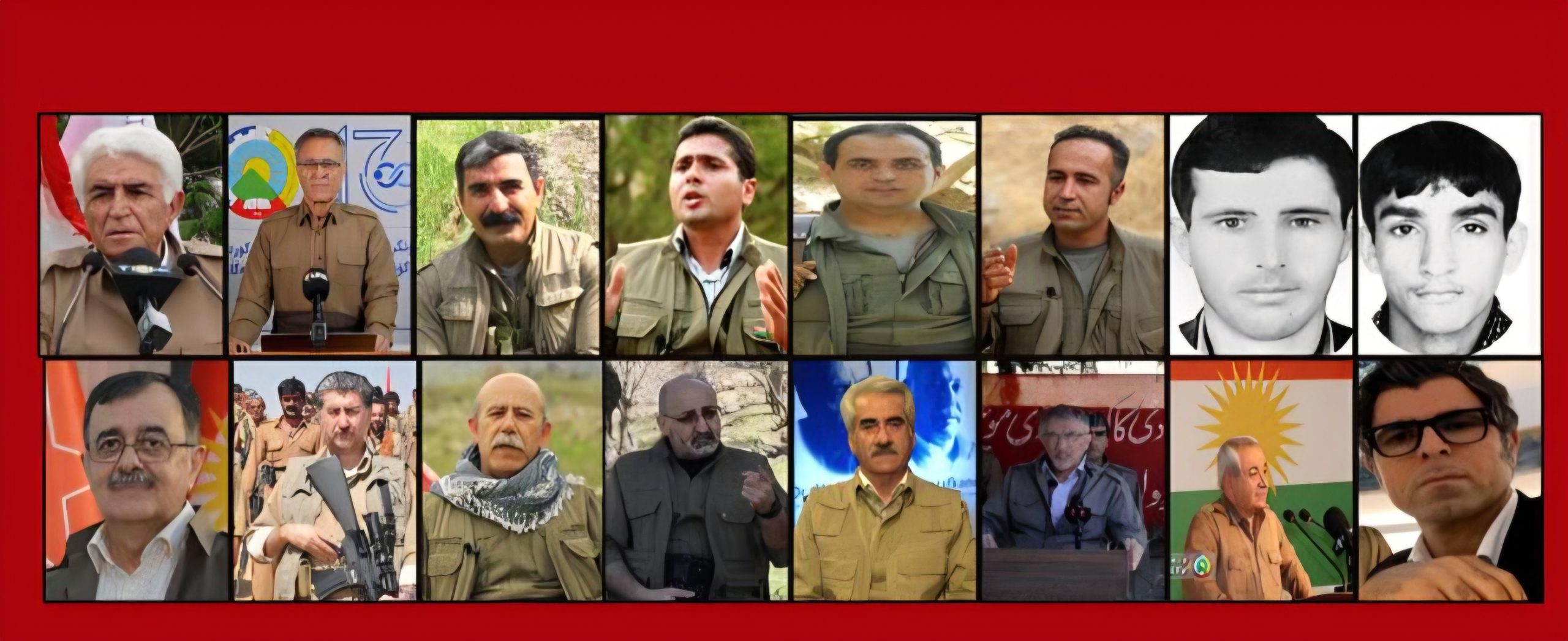
Debates surrounding judicial rulings, extradition requests, and Interpol Red Notices against leaders of Kurdish armed groups quickly turn into a political dispute between Iran and its Kurdish opposition. Amid this rhetoric, commentators completely erase the victims and their families from the narrative. For years, these families have demanded transparent investigations, accountability, and access to justice.
A recent report by the HANA Human Rights Organization highlights this shift in focus. The report correctly states that an Interpol Red Notice is not an international arrest warrant. Interpol cannot determine guilt. Extradition remains an independent process. It depends entirely on the domestic laws and international obligations of the host state. These legal principles are undisputed.
However, the friction begins when observers use these principles to claim that criminal cases, judicial warrants, and international police cooperation are purely political actions with zero legal weight. This conclusion misinterprets the mechanics of international criminal cooperation.
An Iranian court ruling may not be directly enforceable in countries like Iraq, Germany, France, Belgium, or Sweden. An extradition request can fail. A Red Notice can be challenged or removed by Interpol’s Commission for the Control of Files. Host states frequently refuse extradition due to risks of torture, the death penalty, or unfair trials.
Yet, none of these outcomes automatically invalidate a criminal case. International law draws a sharp line between the non-enforceability of a foreign judicial decision and its total lack of legal effect. Extradition and police cooperation exist precisely so competent authorities across borders can evaluate criminal allegations.
Contrary to the HANA report’s emphasis, whether these Kurdish factions appear on UN or European Union terror lists is secondary. A criminal case must evaluate individual conduct. The exclusion of an organization from international terror lists does not grant criminal immunity to its leaders. Likewise, being listed does not automatically prove individual guilt. The principle of individual criminal responsibility requires an independent assessment of evidence and specific actions for every suspect.
The essential questions are straightforward: Are the wanted individuals accused of committing, ordering, or aiding specific crimes? Have private complainants or victims’ families brought evidence to judicial authorities? Have effective investigations occurred? Do the accused have access to legal counsel and appeal mechanisms? Are host nations willing to review the available evidence independently?
These questions must drive any genuine human rights assessment. Human rights frameworks do not exist solely to protect suspects from state power. Victims of severe abuses also hold a fundamental right to justice. Their grievances require effective investigation. Suspected perpetrators must answer to a legal process regardless of their political status, organizational ties, or country of residence. Political alignment should never serve as a shield against criminal inquiry.
Faced with a choice between unchecked extradition and blocking justice entirely, a third path exists. Host nations can conduct independent evidence reviews, implement conditional judicial cooperation, or try alleged crimes within their own jurisdictions while demanding strict fair-trial guarantees.
If evidence is lacking, the case must be dismissed. If a Red Notice violates Article 3 of Interpol’s Constitution, it must be removed. If a real risk of torture or execution exists, extradition must be blocked. However, when families present credible evidence of murder, kidnapping, enforced disappearance, or child soldier recruitment, justice cannot turn a blind eye.
This is the ultimate test for the international human rights system. Justice cannot selectively decide which victims deserve a hearing and which suspects enjoy political immunity.
The current cases against leaders of Kurdish armed groups still involve complex legal questions. The exact nature of the rulings, the status of the Interpol Red Notices, and the evidence submitted to host countries must be transparently reviewed.
Still, one principle remains clear: governments must not abuse international law enforcement mechanisms for political persecution. Similarly, military-political organizations cannot dismiss criminal charges as mere politics to ignore the rights of victims.
Human rights organizations face their own difficult test. Monitoring state behavior and preventing the political manipulation of Interpol is necessary. But asking tough questions about the victims is equally vital. Who filed the complaints? What happened to their families? What evidence exists? Will host countries examine this evidence impartially?
Until these questions receive answers, dismissing these cases as entirely baseless is a premature judgment. True justice must protect the rights of the accused while ensuring the voices of the victims are finally heard.