
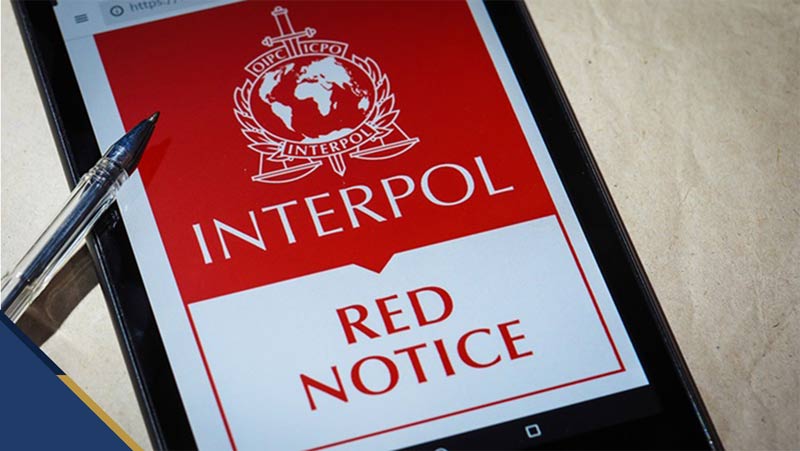
After three years of legal proceedings, the Iranian judiciary has issued conviction verdicts against a number of commanders of Iranian Kurdish armed groups based in the Iraqi Kurdistan region. Interpol has also issued a Red Notice for their apprehension.
In an exclusive report, Iranian Kurdistan Human Rights Watch announced that these judicial verdicts were issued following direct complaints from the families of Kurdish victims and were based on forensic evidence and eyewitness testimonies. Dr. Ali Farahmand, the Executive Director of the organization, confirmed the issuance of these verdicts and the start of the international extradition process for the leaders of these groups, who have been based on Iraqi Kurdistan’s soil for years. This move could signal the beginning of a new chapter in how non-state armed groups in the region are handled.
Dr. Ali Farahmand, the Executive Director of Iranian Kurdistan Human Rights Watch, stated in an interview with the organization’s media outlet: “After three years of continuous follow-up, the Iranian judiciary has issued conviction verdicts against a number of leaders and commanders of Iranian Kurdish militant groups who have been based in the Iraqi Kurdistan region. These verdicts were issued following direct complaints from the families of Iranian Kurdish victims and are based on forensic evidence and eyewitness testimonies. Interpol has also initiated the international pursuit and extradition process for these individuals by issuing a Red Notice.”
Victims’ Complaints: A Humanitarian Plea, Not a Political Case
Dr. Farahmand emphasized the purely legal and humanitarian nature of these cases, stating, “These cases have no political dimension and are based entirely on legal documentation and public complaints. The complainants are individuals whose loved ones have been victims of the violent, inhumane, and pre-meditated actions of Iranian Kurdish armed groups. These are families who have lived with the pain and suffering of these tragedies for years, enduring irreparable losses in silence and helplessness.” He continued: “These victims have not only faced the death of their loved ones, but many have also endured consequences such as economic devastation, severe physical injuries, psychological collapse, and even sexual assault and harassment. While murder is a complete tragedy, for many of these families it was just the beginning of a never-ending nightmare: physical and psychological torture, systematic harassment, and the mental instability resulting from these horrific experiences continue to affect their lives years after the incident, gnawing at their spirits like a hidden cancer.”
The Executive Director of Iranian Kurdistan Human Rights Watch also criticized the lack of an appropriate response from international and domestic institutions, saying, “The repeated inattention of governments, human rights organizations, and judicial systems to these complaints has multiplied the pain and suffering of the victims’ families. This chronic injustice is not only a barrier to justice but is, in a way, a repetition of the violence, this time by institutions that are supposed to be the guardians of justice and human dignity.” Farahmand expressed hope that with the continuous pursuit of these cases and international cooperation, the path to justice and accountability for the perpetrators of these crimes will be paved, and the voices of the victims will finally be heard after years of silence.
Judicial Process and Documentation
The Executive Director of Iranian Kurdistan Human Rights Watch pointed to the extensive documentation, stating: “These cases were reviewed in seven Iranian judicial branches, and evidence such as forensic reports, official testimonies, and objective documents were presented. The accusations against the leaders of these groups include torture, rape, forced use of children in war, sexual harassment, and widespread harm to civilians. The dimensions of these crimes are so extensive that, based on international standards, they can be classified as crimes against humanity.”
Legal Obligations of Iran, Iraq, and the International Community
Dr. Farahmand referred to legal frameworks, noting: “In Iran, these verdicts were issued based on the Islamic Penal Code (2013) and the Law on the Extradition of Criminals (1960). In Iraq, in addition to the 2011 Extradition Agreement, the Iran-Iraq Security Agreement of March 2023 obliges the Iraqi government and the Kurdistan regional government to prevent the activities of these armed groups on their soil and to strengthen security and judicial cooperation.”
He added: “At the international level, the Rome Statute of the International Criminal Court recognizes torture, rape, and the recruitment of children into armed conflict as crimes against humanity and war crimes. Additionally, the Convention on the Rights of the Child and the Convention Against Torture obligate states to pursue and prosecute these crimes, even if they occur outside their national territory. The issuance of an Interpol Red Notice is in line with this to pursue serious crimes.”
The Need to Support Victims and for Governments to Act Urgently
In conclusion, the Executive Director of the organization stressed: “We are not only seeking the punishment of the leaders of these groups. Compensating the victims, providing psychological, social, and economic support, and ensuring their ability to rebuild their lives are an integral part of this process. At the same time, many of the ordinary members of these groups are themselves victims of poverty and coercion. We call for an amnesty for these individuals and for conditions to be created for their safe return to the country.”
He concluded with an appeal to governments and international organizations: “We ask the governments of Iran, Iraq, and the Kurdistan regional government to act responsibly and accelerate the process of extraditing and prosecuting the leaders of these groups. The international community and human rights organizations must also monitor this process to ensure that victims’ rights are not once again trampled upon due to government inaction. Justice for Iranian Kurdish victims is not just a national demand; it is a human and international necessity for the realization of justice and the guarantee of lasting security in the region.”