
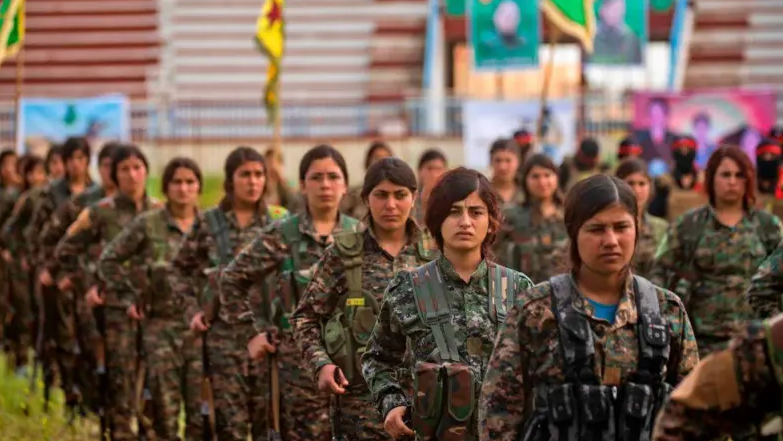
In most human rights reports, the primary question is usually what governments have done: whether an unlawful detention has occurred, torture has taken place, or the right to a fair trial has been violated. This focus is rooted in the reality that under international law, states bear specific and binding responsibilities toward their citizens. However, the reality of contemporary conflicts demonstrates that a significant portion of serious human rights violations no longer occurs solely within the domain of states.
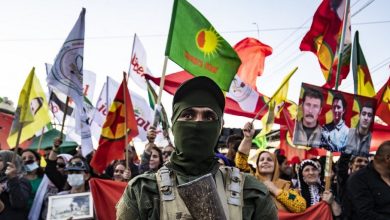
In many internal conflicts, non-state actors also wield power over the lives of thousands of people; they recruit, provide military training, detain, impose internal punishments, and at times impact the fate of civilians in their areas of influence. This evolution presents the international community with one of the most critical questions of contemporary international law: Can a group capable of exercising power over human beings exempt itself from the responsibility to respect human dignity?
The response of international law in recent decades to this question has become clearer than in the past. Although human rights treaties primarily address states, international humanitarian law—specifically Common Article 3 of the Geneva Conventions—establishes minimum humanitarian rules for all parties to an armed conflict, including non-state armed groups. The prohibition of torture, humiliating treatment, hostage-taking, trials without prior judgment, and outrages upon personal dignity of persons taking no active part in the hostilities are among these fundamental rules.
This development is not merely a legal debate; rather, it is a response to the changing nature of warfare. In many conflicts over the past three decades—ranging from Africa and the Middle East to parts of Asia and Latin America—armed groups have become actors that practically exercise control over segments of society. Under such circumstances, ignoring the responsibility of these actors means ignoring a large portion of the victims.
The experience of armed conflicts has shown that wherever power is formed without oversight, the risk of human rights violations increases. Closed, hierarchical structures, where obedience to command is prioritized over any other value, can pave the way for behaviors that would be unacceptable under normal circumstances. Prolonged detentions, denial of contact with family, internal punishments, psychological pressure, or violent behaviors are all among the issues documented in the reports of human rights organizations regarding certain armed conflicts in various parts of the world.
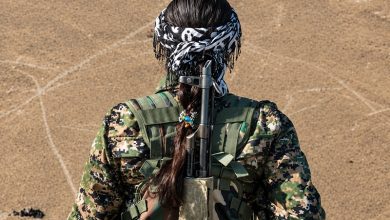
Meanwhile, children remain the most vulnerable victims of war. The image of a child receiving military training instead of sitting in a classroom, regardless of the geography or the group under whose command they are, is a symbol of the international community’s failure to protect the fundamental rights of the child. For this reason, international instruments, including the Optional Protocol to the Convention on the Rights of the Child on the involvement of children in armed conflict, emphasize preventing the recruitment and use of children in hostilities. This prohibition is a universal principle, and the legitimacy of no political or military goal can render it void.
In recent years, many non-state actors have attempted to present themselves as committed to human rights values, utilizing human rights rhetoric to gain political legitimacy or secure international support. The use of this rhetoric is, in itself, a positive step; however, the credibility of such claims is only measured when accompanied by practical action. Accepting independent oversight, cooperating with fact-finding mechanisms, providing access to victims, and being accountable to allegations of human rights violations are the benchmarks that can reveal the distance between mere slogans and genuine commitment.
Human rights, more than being a collection of declarations, is a system based on responsibility. A responsibility that begins with the acquisition of power, not with political recognition. Any actor that impacts the life, liberty, or security of human beings must be accountable for how that power is used.
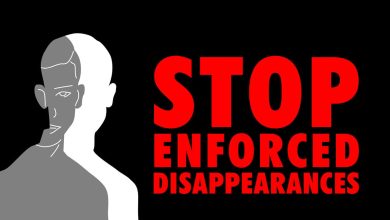
Ultimately, the importance of international law must be sought at this very point; where, even in the midst of violence, it strives to preserve a minimum of humanity. The law was not drafted to legitimize war, but to limit its effects and protect human dignity. No political ideal, ideology, or military objective can justify torture, humiliation, enforced disappearance, or the deprivation of fundamental human rights.
If human rights is to retain its meaning, this meaning becomes apparent when the yardstick of judgment is not the political identity or affiliation of the parties involved, but their treatment of human beings. Justice, above all, rests on this simple principle: human dignity is indivisible—not by borders, not by flags, and not by weapons.