
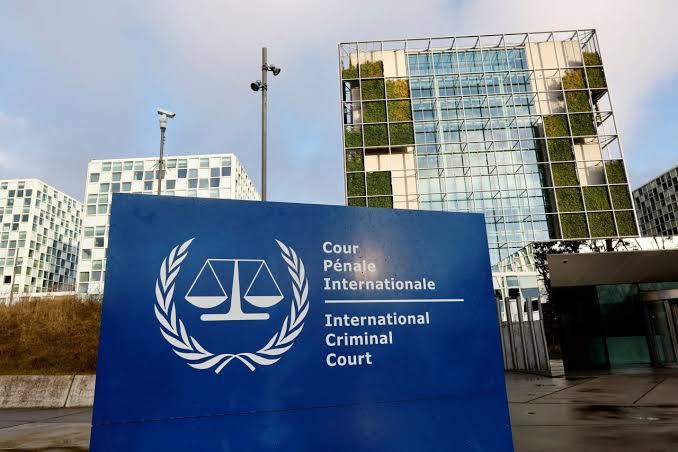
Published in the Leiden Journal of International Law by Cambridge University Press, the research paper “Reproductive Violence Against Child Soldiers” by legal scholar Rosemary Grey examines one of the most neglected dimensions of child rights violations in armed conflict. The study demonstrates that the exploitation of minors by non-state armed groups extends beyond military participation, forced labor, or sexual abuse. In many instances, armed factions convert children’s bodies and reproductive capacities into tools of control, authority, and organizational survival.
Grey calls on international criminal law to formally recognize and address reproductive violence. This category of abuse encompasses forced pregnancy, forced abortion, forced contraception, forced marriage, and other coercive measures that strip individuals of reproductive autonomy. The author maintains that human rights mechanisms must analyze these practices as part of a broader, systemic pattern of violence against child recruits.
Victims Beyond the Battlefield Human rights frameworks traditionally define child soldiers as minors unlawfully recruited into armed forces or militant factions. However, the lived experiences of these children reveal severe harm that extends far beyond the battlefield.
While non-state armed groups recruit, abduct, or coerce minors into serving as combatants, cooks, messengers, or support staff, young girls endure a distinct layer of abuse. This exploitation directly targets their physical integrity, personal identity, and future prospects.
Abductors force young girls into sexual relations, assign them as “wives” to fighters, subject them to unwanted pregnancies, or impose strict control over their fertility and motherhood. These coercive practices violate basic bodily autonomy while inflicting long-term physical, psychological, and social trauma.
Reproductive Violence: A Forgotten Dimension of War Grey highlights that existing legal frameworks on conflict-related sexual violence fail to capture the full spectrum of harm inflicted on victims.
A traditional focus on rape often overlooks other coercive mechanisms designed to dominate human bodies. Compelling a minor into forced pregnancy, prohibiting childbirth, or enforcing an abortion represents more than a secondary effect of sexual assault. It constitutes an instrumental weaponization of a victim’s body for personal, organizational, or ideological objectives.
Through this perspective, the body of a child soldier becomes a site of political and military control. Armed factions exert authority not only over a child’s movements, but also over their biological and familial future.
The Need for a Comprehensive Human Rights Framework The study emphasizes that addressing child soldier recruitment requires more than removing minors from active combat. True protection for child victims demands confronting every form of abuse endured during their captivity within armed structures.
Consequently, human rights monitoring bodies and international criminal courts must expand their focus. Beyond unlawful recruitment and military deployment, legal institutions must scrutinize hidden patterns of abuse, particularly gender-based abuse and reproductive violence.
Children returning from conflict zones are more than war survivors. Many remain victims of deep control, systematic exploitation, and severe human rights abuses—enduring consequences that persist long after the fighting stops.