
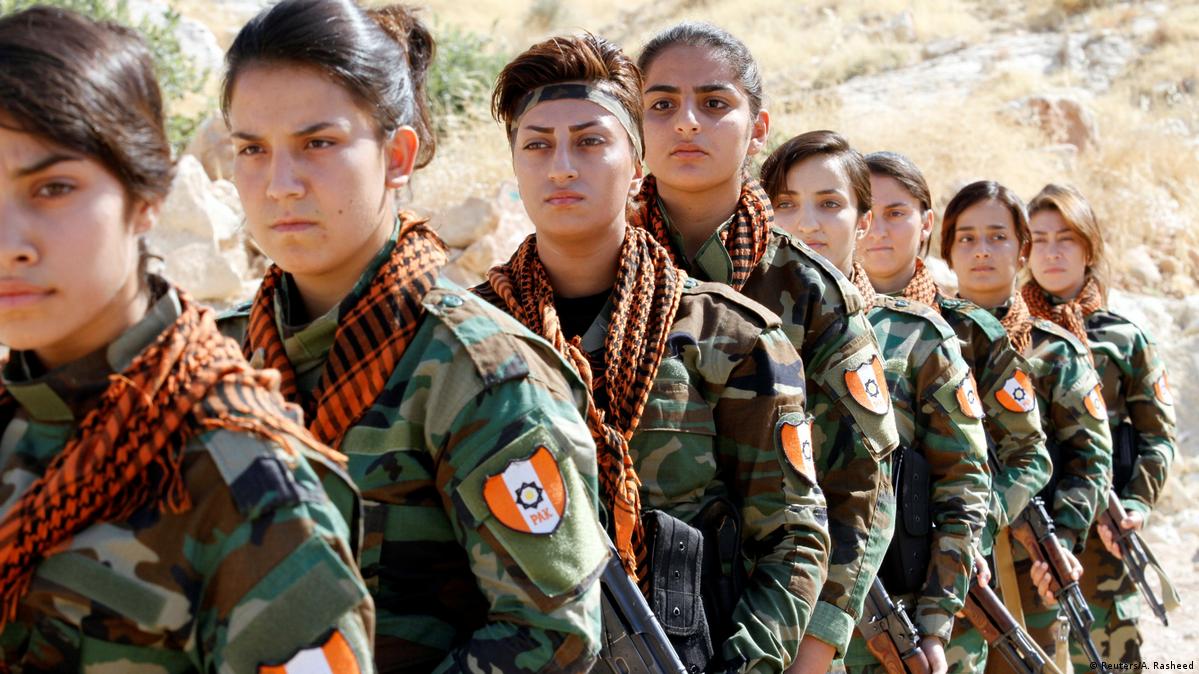
In 2012, an agreement was signed in Geneva between the representative of the Democratic Party of Iranian Kurdistan and the organization Geneva Call, aimed at prohibiting the use of individuals under the age of 18 in armed conflicts. More than a decade later, field reports and assessments regarding the level of implementation of this commitment do not present a uniform picture and remain a subject of dispute among human rights sources and analysts.
In December 2012, in Geneva, a representative of the political bureau of the Democratic Party of Iranian Kurdistan (PDKI) signed the “Deed of Commitment for the Protection of Children from the Effects of Armed Conflict” during a ceremony attended by the “Geneva Call” organization and cantonal officials. This document, formulated as a “Deed of Commitment,” obligates non-state armed groups to adhere to a set of principles, including prohibiting the recruitment and use of individuals under the age of 18 in military activities.
At the time, the signing of this document was viewed as a step toward aligning this group more closely with international humanitarian law standards, including the principles enshrined in the Convention on the Rights of the Child and its relevant optional protocols. However, assessing the degree of implementation of this commitment in the years following the signing remains a subject of debate and disagreement among various human rights organizations and analysts.
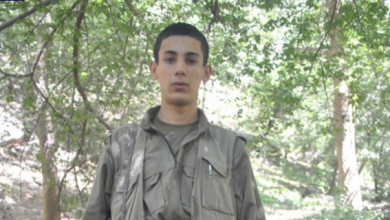
According to reports and documentation published by the “Iranian Kurdistan Human Rights Watch,” cases involving the continued presence of individuals under the age of 18 within structures related to this group in regions outside Iran, particularly in the Kurdistan Region of Iraq, have been raised in the years following the signing of this commitment. These reports also point to the use of terms such as “young Peshmerga” or special educational programs, which are interpreted by critics as indirect mechanisms for recruiting underage individuals (child soldiering).
In contrast, the signatory organizations of such deeds, including Geneva Call, generally emphasize the gradual and monitoring-oriented nature of implementing these agreements, viewing the process as one requiring ongoing cooperation, field verification, and dialogue with the involved parties. Within such a framework, evaluating the level of compliance with commitments often depends on periodic reports, the access of independent observers, and field data.
The aforementioned reports by the Iranian Kurdistan Human Rights Watch also refer to issues such as restrictions on family contact or difficulties faced by certain individuals under 18 in returning to a civilian environment. If verified by independent sources, such conditions could be examined from the perspective of international humanitarian law and the principles related to the protection of children in armed conflicts.
Nonetheless, in the absence of fully independent verification mechanisms and widespread access for international monitoring bodies to all claimed areas, the final evaluation regarding the extent of full or incomplete implementation of these commitments continues to face limitations.
From the perspective of humanitarian law, this deed of commitment is considered a soft framework for reducing the use of children in armed conflicts. Nevertheless, the effectiveness of such instruments depends heavily on the level of cooperation of the signatory parties, the access of independent observers, and the transparency of field data—an issue that remains a matter of debate regarding the execution of this specific commitment.
Document Text: https://www.genevacall.org/wp-content/uploads/2023/06/2012.pdf