
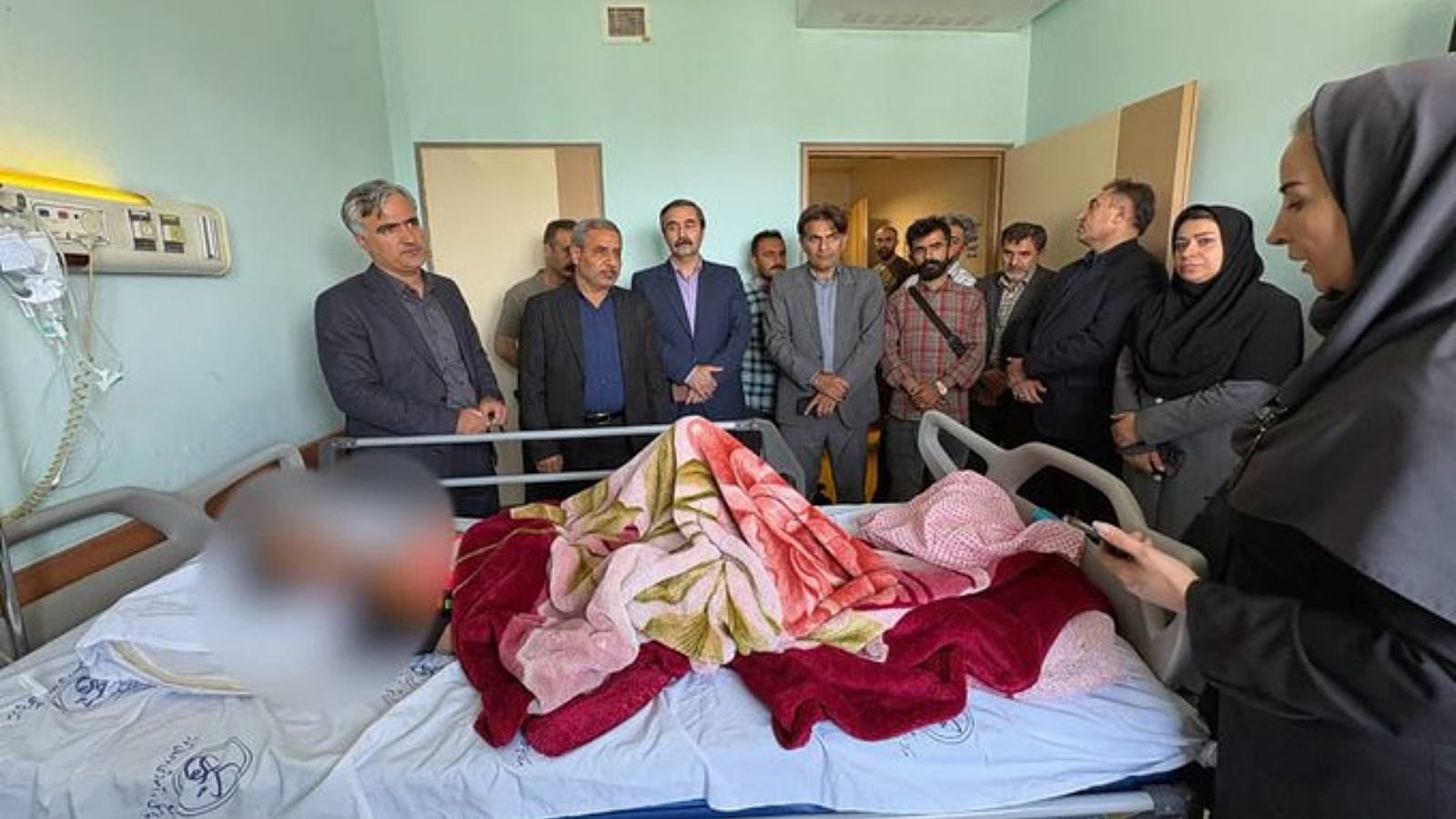
In one of the most bitter child abuse cases of recent months in Kurdistan, two girls aged 7 and 15 in the city of Sanandaj were rescued from conditions described by responsible officials as “critical,” following reports by citizens and the subsequent intervention of the Social Emergency. What has been disclosed so far by official institutions, the judicial system, the Welfare Organization, and various media outlets paints a disturbing picture of children’s vulnerability within the family environment and the difficulty of timely detection regarding hidden domestic violence.
According to published information, neighbors reported the matter to the Social Emergency and relevant authorities after hearing cries for help and noticing the prolonged absence of these two children. The entry of emergency and law enforcement personnel into the home under a judicial warrant led to the discovery of these two sisters’ situation. Judicial authorities have announced the filing of a case, the arrest of the father, and the pursuit of charges against the stepmother. Meanwhile, medical and support institutions have initiated the physical and psychological treatment process for the children.
Although judicial proceedings are still ongoing and the determination of criminal liability rests with the competent judicial authority, this case—beyond the fate of the accused—raises fundamental questions about the efficacy of child abuse prevention mechanisms.
In many cases of domestic violence, the first signs appear not in official reports but in the observations of bystanders, teachers, neighbors, and relatives. In the Sanandaj case as well, various reports point to the vital role of citizens in providing information and initial follow-ups. This issue highlights that social sensitivity toward children’s rights remains one of the most critical tools for preventing severe harm.
At the same time, this case highlights the necessity of closely examining the performance of support networks. The public has a right to know whether potential prior warnings were received and evaluated in a timely manner. Are the existing legal tools sufficient for swifter intervention in high-risk cases? Is there the necessary coordination among judicial, law enforcement, educational, medical, and support agencies to identify at-risk children?
From a human rights perspective, a child possesses fundamental rights that must be protected, regardless of family disputes, custody status, or the family’s economic situation; these include the right to enjoy safety, health, education, proper nutrition, and a life free from violence. Whenever these rights are threatened, the responsibility to protect the child does not fall solely on the family, but society and responsible institutions bear specific duties as well.
The case of the two Sanandaj sisters has now entered the judicial phase, and it is hoped that the trial proceedings will be pursued with full adherence to children’s rights, the principles of a fair trial, and victim-protection considerations. However, even if this case concludes with the issuance of judicial verdicts, more important questions will still remain—answers to which could prevent the recurrence of similar incidents.
Are existing mechanisms sufficient to identify at-risk children? If signs of harm existed previously, why was effective intervention not carried out sooner? What role can schools, medical centers, and local institutions play in identifying similar cases? Do the Social Emergency and support organizations possess the necessary authority and resources for immediate entry into high-risk cases? How many cases of child abuse go completely unreported and remain hidden from society’s view? To what extent are citizens familiar with the legal reporting channels when witnessing signs of violence against children? And most importantly, what will society and officials do to ensure that the cry of the next child is heard before it turns into a tragedy?