
In recent days, several Kurdish media outlets and unofficial sources have reported the potential relocation of Iranian Kurdish armed parties from the Kurdistan Region of Iraq to Albania.
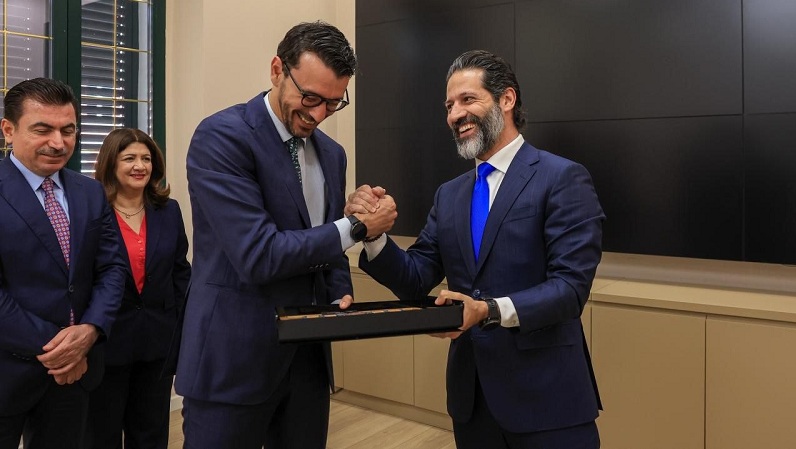
According to these reports, the recent visit of Qubad Talabani, Deputy Prime Minister of the Kurdistan Region, to Albania has sparked speculation about the evaluation of such a plan. It is claimed that this issue has been discussed within the framework of security consultations between Iran, Iraq, the Kurdistan Region, and other involved parties. To date, no official from Iraq, the Kurdistan Region, Albania, or the mentioned parties has confirmed or denied this news; thus, these reports remain strictly within the realm of media speculation.
However, the mere introduction of such a possibility brings a crucial issue to the forefront for all relevant parties: any potential decision regarding the relocation of members or leaders of Iranian Kurdish armed parties must not disregard the rights of victims, private plaintiffs, and ongoing judicial processes.
Dr. Ali Farahmand, the Executive Director of the Iranian Kurdistan Human Rights Watch (IKHRW), referenced these reports and emphasized that the historical experience of transferring members of the Mojahedin-e Khalq (MEK/Rajavi organization) to Albania demonstrated how political and security decisions made without incorporating effective judicial mechanisms can obstruct the path to justice for victims for years. Therefore, it is imperative that any prospective decision regarding the transfer of these groups be accompanied by strict legal and judicial considerations from the very outset.
According to him, over the past years, a number of Iranian citizens—who themselves or their family members have been severely harmed by the armed actions of these groups—have filed lawsuits against certain leaders and members of these parties through their lawyers in Iranian judicial authorities. The attorneys handling these cases have repeatedly declared that from the perspective of domestic law, international law, and judicial cooperation mechanisms between states, there is no legal deadlock in processing these complaints, and the potential relocation of individuals must not impede the execution of justice.
The principle of victims’ access to justice, the principle of effective remedy, the right to a fair trial, and the fight against impunity are well-recognized tenets of international human rights law and international criminal law. These principles obligate states to prevent geographical relocation from being weaponized as a tool to evade accountability. Furthermore, the United Nations General Assembly’s “Declaration of Basic Principles of Justice for Victims of Crime and Abuse of Power” mandates states to ensure victims’ effective access to judicial mechanisms and redress.
The Iranian Kurdistan Human Rights Watch (IKHRW) calls on the Government of Iraq, the Kurdistan Regional Government, the Government of Iran, and any potential receiving state, including Albania, to carefully review the status of all judicial cases, private complaints, mutual legal assistance requests, extradition requests (where legal grounds exist), and other forms of international judicial cooperation prior to any finalized agreements or decisions regarding the transfer of these individuals.
This demand is not political; rather, it stems directly from the fundamental rights of the victims. No security pact or diplomatic decision should undermine the right to legal redress or grant practical immunity to individuals facing criminal allegations. Justice truly manifests when the rights of victims are placed at the center of decision-making alongside political and security considerations, ensuring that no potential relocation blocks the path to judicial accountability and the realization of rights.