

Sadia, a 41-year-old woman who spent approximately ten months within the ranks of the Democratic Party of Iranian Kurdistan (PDKI), detailed her reasons for joining, the reality of living in mountain outposts, and her experience of identity loss and disorientation during an in-person interview at the Iranian Kurdistan Human Rights Watch (IKHRW) office in Sanandaj.
She stated that reading reports on the IKHRW platform motivated her to share her testimony to prevent other women and young girls from suffering a similar fate.
According to Sadia, personal crises, the loss of her parents, severe psychological distress, and the deceptive promise of migrating to Europe were the main factors driving her decision. Struggling with mental health challenges for years, she joined the group believing it offered a path toward a new future.
Reflecting on her motivations, Sadia explained: “I faced severe family troubles and had been struggling since childhood. I wanted to reach Europe, but lacked the financial means and opportunity. Driven by the fear of homelessness and the hope of securing employment and a better life, I joined—only to find that reality was entirely different from what I had imagined.”
Sadia joined the PDKI in 2019 at the age of 31, spending nearly ten months stationed at a remote mountain outpost.
Describing daily routines, she recalled: “Reveille was at 6:00 AM. After breakfast, we cleaned the facility before rotating onto guard duty. We were guarding against unknown threats for nothing—it was a complete waste of time and life.”
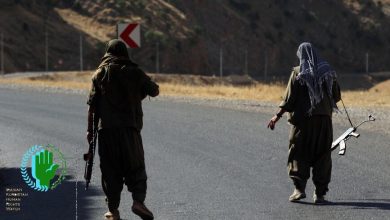
Beyond guard duties, members were tasked with routine manual labor, such as clearing land, site maintenance, and agricultural chores. Sadia described camp life as akin to a military barracks where members were strictly bound to assigned tasks.
She characterized hygiene conditions as unacceptable. While basic supplies were provided, poor living conditions frequently caused health issues among members. Communication was strictly restricted: mobile phones were confiscated in mountain outposts and permitted only briefly in urban bases. Access to news was censored, with commanders selectively granting permission to view specific television broadcasts.
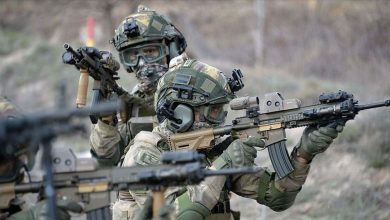
Crucially, Sadia reported observing 16- and 17-year-old child soldiers armed with rifles during her stay. “I saw 16- and 17-year-olds carrying weapons; they were even authorized to shoot, though firing without explicit orders incurred disciplinary fines,” she noted.
While rules formally allowed departure after one year, Sadia noted that those attempting to leave earlier faced severe obstacles, with several members attempting to escape the outposts.
A central theme of her account was the total loss of identity: “You had no identity card, no valid documentation. You felt suspended between heaven and earth, without a sense of belonging or a future.” Recognizing this dead end, she frequently advised younger female recruits to leave the armed group and resume their education: “Focus on your studies; there is no future for you here.”
Looking back, Sadia attributed her decision to a combination of family crises, vulnerability, and deception by group recruiters. “I now realize I was deceived. When you lack experience and face distress, you make choices you later realize were grave mistakes.”
The audio recording of this interview is held in the confidential archives of the Iranian Kurdistan Human Rights Watch. Subject to formal request and strict privacy safeguards, it can be made available to researchers, human rights advocates, and legal experts for verification purposes.