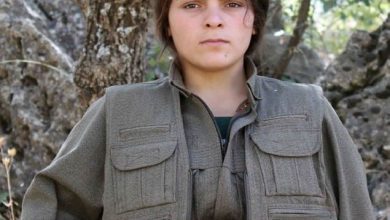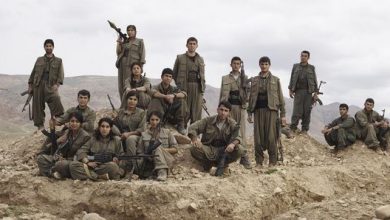

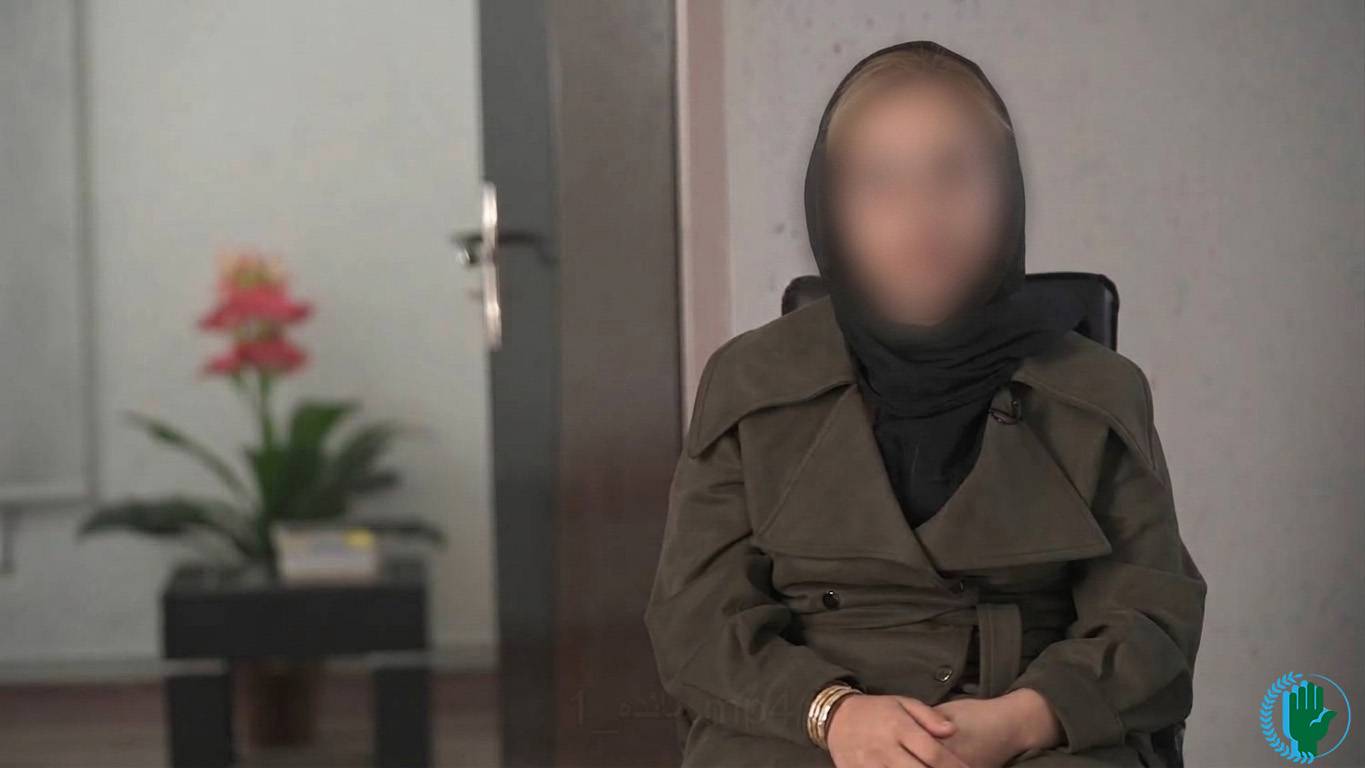
Maedeh Mahmoudvand, born in 2002 (1381 SH) and a native of Piranshahr, spoke about her experience within Komala in an extensive interview with the Iranian Kurdistan Human Rights Watch (IKHRW); an experience that, according to her, began with social media advertisements and devolved into psychological pressure, threats, ideological coercion, religious humiliation, assaults on personal beliefs, and severe restrictions on personal freedom.
She states that at the time of leaving Iran, she was merely a teenage girl who lacked an accurate understanding of Kurdish armed parties, their internal structures, and the reality of life in their camps. She was drawn into that environment under the influence of Instagram propaganda and false promises of “freedom.”
Maedeh notes at the beginning of the conversation: “I loved weapons and had a tomboyish spirit. On social media, they spoke of freedom, equality, and an ideal life. They claimed everything would be provided for you there and everyone was free to live as they pleased. Lacking real insight, I was deceived by these very words.”
She explains that after about a month of online communication, she was asked to leave Iran with another individual and transfer to the party’s headquarters. According to her, from the very moment she left her home, fear, anxiety, and a sense of no return began: “Without my mother knowing, I left the house under the pretext of buying a mobile recharge. Throughout the entire journey, I was terrified. When we got into the car, the driver kept advising us, saying, ‘Do not ruin your future; do not go toward armed groups.'”
She says she regretted her choice multiple times along the transit route but lacked the courage to return due to the fear of social judgment and the threats she had previously received online. Maedeh highlights the role of cyber threats in her decision: “I had only posted a few political things and was genuinely scared. A boy named Hesam Q. began insulting and threatening me. He kept saying, ‘If I get my hands on you, I will do something to make you regret it.’ Those encounters made me more terrified and convinced me there was no way back.”
She also speaks of the insecure and alarming conditions during the transit route to the party’s camp; conditions where, according to her, the risk of abuse and assault against women was high: “On the mountain trail, the behavior of some smugglers toward the girls was deeply concerning. The boy who accompanied me also made inappropriate advances several times, claiming the reason he joined was the freedom of relationships. I was shocked right there. I felt that if conditions shifted, terrible things could happen to us.”
Maedeh emphasizes that upon arriving at the Komala headquarters, many of the promises regarding freedom, women’s rights, and freedom of belief proved to be completely false. She states: “In the very first days, they gave us uniforms that were very difficult and unnatural for me. I came from a family where we didn’t even dress like that at home. I felt insecure and uncomfortable, constantly wrapping a blanket around myself to be less visible.”
She also states that the atmosphere inside the camps was entirely hostile toward the hijab and religious attire: “Sometimes, if we wore a headscarf, they would forcefully pull it off our heads and mock us. For me, having been raised with religious convictions, these behaviors were deeply humiliating and distressing.”
She continues: “On the surface, they preached freedom, but in practice, no freedom existed. I was not even allowed to perform my prayers. One of the commanders named Moloud told me several times, ‘If I catch you praying, I will shoot you in the head with a gun.'”
According to her, during Ramadan, they forced her to drink water to ensure she was not fasting, and her religious beliefs were repeatedly insulted. She notes: “They constantly blasphemed against God and the Prophet and demanded that I prove the existence of God. I was just a teenage girl and lacked the capacity for ideological debates.”
This former member of the Kurdish armed group Komala also recounts the harsh living conditions in the camps, physical punishments, and psychological duress: “If you arrived late for food, they wouldn’t feed you. They woke us up in the middle of the night with gunfire. We were forced to perform heavy labor; digging trenches, moving heavy sandbags, and standing guard for long hours.”
She says the atmosphere inside the camps was plagued by fear and mistrust, and members did not dare express their true desire to return home: “There were 31 of us, and many wanted to return from the very beginning but lacked the courage. I was the first person to openly state that I wanted to go back. After me, several others escaped.”
According to Maedeh, after she voiced her request to leave, pressures and threats against her intensified: “They detained me for 18 days. They alternated between threats and empty promises of sending me to Europe. On the final day, the recruitment official told me, ‘If you utter a single bad word about us, we will track you down and kill you.'”
She also states that upon her departure, money was demanded from her family: “They said you must pay for the expenses incurred for you; they even calculated the number of bullets and grenades I had used.”
In another part of the conversation, Maedeh reflects on the status of women inside the camps: “Women served mostly as a display window. In theory, relationships were forbidden, but in practice, illicit relations and even assaults occurred. A woman there was primarily a labor hand, a guard, and a military asset.”
She concludes by emphasizing that upon her return to Iran, contrary to the threats told to her regarding torture, imprisonment, and execution, none of those events took place: “When I returned, they only questioned me for a few sessions. Because I was under the legal age, I did not even have to appear in court; I was quickly acquitted, and my life resumed. I was neither tortured nor imprisoned, nor did my family mistreat me.”
Maedeh believes that what is displayed on social media about these groups differs vastly from the reality inside the camps: “On the internet, they pretended everything was unified and free, but the reality was full of conflict, bullying, fear, and coercion. It was strange to me that a group that could not even properly manage its own camp was talking about governing the future of a country.”
The full video of this interview is preserved in the archives of the Iranian Kurdistan Human Rights Watch and can be made available to researchers, human rights activists, and legal scholars upon request, with strict confidentiality.