
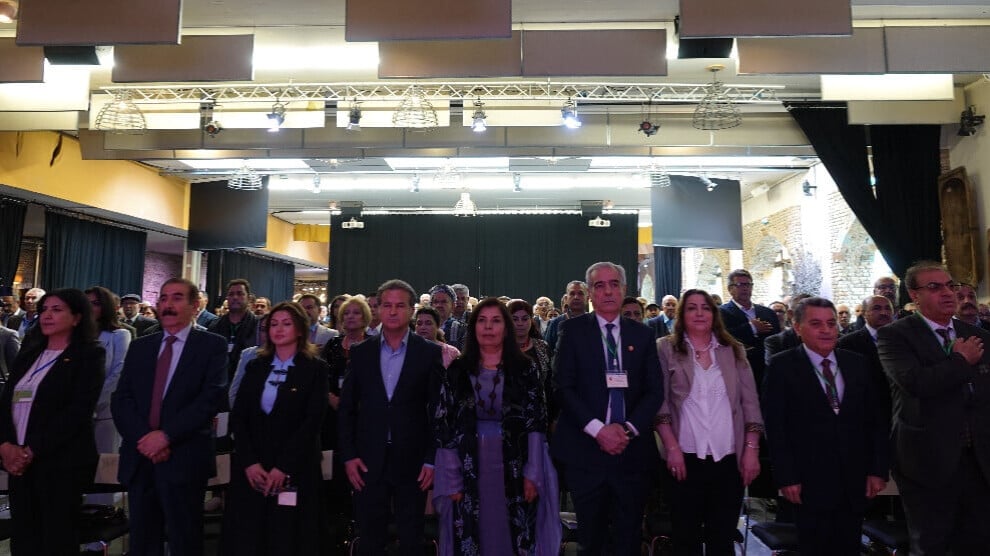
The decision of the Kurdistan National Congress (KNK) to pursue official status within the United Nations, regardless of its feasibility or ultimate success, has once again brought the legal and political status of the Kurdish people in the international system to the forefront. In public statements, this demand is grounded in a long history of suffering, discrimination, and a lack of direct representation in global forums, aiming to amplify the voice of a segment of Kurdish society on the international stage.
Undoubtedly, many Kurds across the region have endured severe conflicts, discrimination, and socio-political constraints, making their demands within the framework of international law highly significant and worthy of examination. At the same time, any entity seeking to assume an inclusive representative role for a large and diverse population must inevitably face responsibilities that transcend mere political advocacy.
Foremost among these responsibilities is a steadfast commitment to human rights principles and a readiness for accountability before public opinion and independent watchdogs. In recent years, serious reports and allegations have emerged regarding certain armed groups and political factions operating in Kurdish regions. These concerns touch upon child rights, the plight of former members, the denial of communication between individuals and their families, and other vital humanitarian issues. While the existence of these reports does not automatically validate every claim, it underscores that transparency and evidence-based dialogue are indispensable for building public trust.
Furthermore, it is essential to recognize that Kurdish society is not monolithic. The rich diversity of political, cultural, and social viewpoints among Kurds—both in Iran and other countries across the region—demonstrates that no single narrative can uniquely capture all voices and aspirations. This pluralism may well be the community’s greatest asset, and any political initiative will gain broader legitimacy only by genuinely acknowledging this diversity.
From a human rights perspective, the defense of collective and identity rights gains true substance and strength only when accompanied by full respect for individual rights. This includes protecting children, preserving human dignity, ensuring freedom of choice, securing the right to communicate with family, and fostering open criticism and civic participation. These fundamental principles do not hinder political goals; rather, they form the bedrock of their moral and legal legitimacy.
Crucially, the pursuit of international recognition and the demand for human rights accountability are not mutually exclusive paths. The more transparently political entities operate, and the more willing they are to engage with independent organizations and address deep-seated human rights concerns, the more domestic and international confidence in their agendas will grow.
Ultimately, what matters most is the preservation of human dignity—a core value that must never be sidelined by geopolitical rivalries, regional conflicts, or grand collective ambitions. While clear answers to many disagreements remain elusive, it is hoped that all political and civil actors, regardless of affiliation, will embrace the absolute truth that no political demand is more valuable than the security of children, the peace of families, and respect for fundamental human rights. If a sustainable and just future is to be shaped for the Kurdish people and other nations in the region, it must be built above all on transparency, accountability, and mutual trust.