
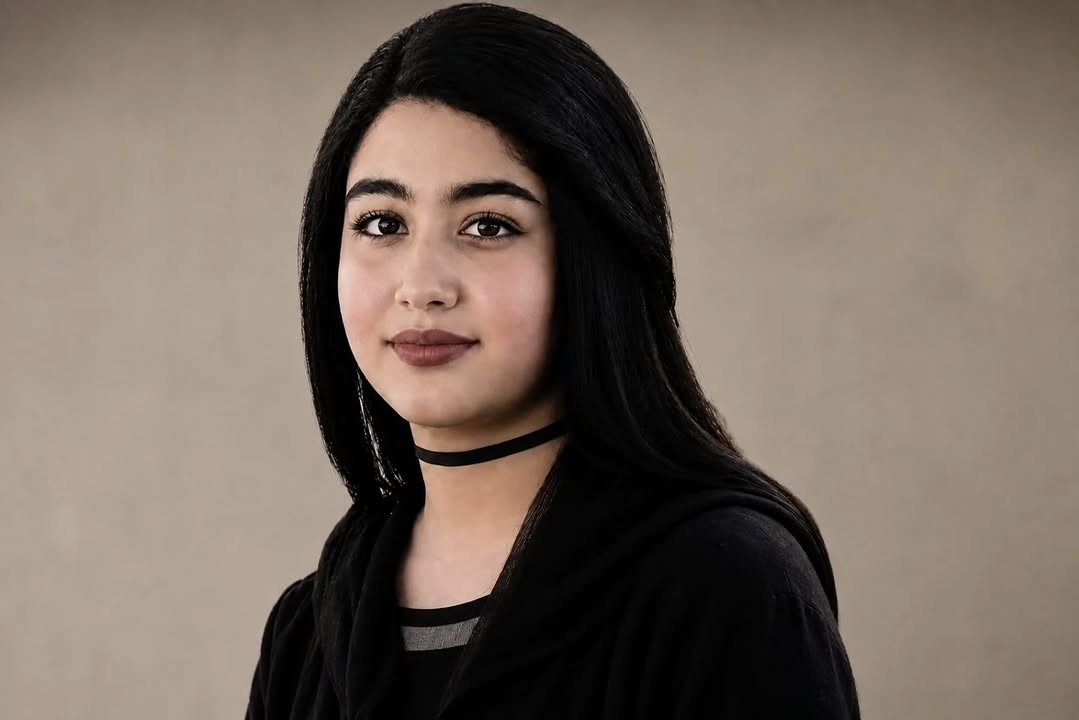
The death of Hana Rekan, a 16-year-old girl in Kermanshah, is not merely a criminal file or a private family tragedy. Reports surrounding the case indicate a history of domestic violence, severe restrictions on her freedom, and forced withdrawal from education prior to her death. If officially confirmed, Hana’s case poses a fundamental question: Do existing state protection mechanisms possess the capacity to identify and mitigate domestic violence against children before it ends in tragedy?
According to reports published by human rights organizations—including HRANA and Hengaw—Hana Rekan was shot and killed in Kermanshah. The reports identify Mojtaba Rekan, her father, as the primary suspect in the murder. Additional documentation from the Hana Human Rights Organization confirms her death while highlighting a pattern of domestic abuse and strict control. While some sources cite forced marriage and her opposition to family decisions regarding her future as potential motives, the exact background must be formally verified through official judicial investigations.
However, the broader significance of these reports shifts the case from an isolated criminal act to a matter of state responsibility regarding domestic violence, child protection, and public institutional duties to prevent foreseeable harm.
The right to life is a fundamental human right. Iran is a state party to the International Covenant on Civil and Political Rights (ICCPR), where Article 6 explicitly recognizes the inherent right to life. This obligation extends beyond the state refraining from arbitrary deprivation of life. In General Comment No. 36, the UN Human Rights Committee clarifies that states must take reasonable and appropriate measures to protect individuals from threats posed by private actors when a real and foreseeable risk exists. This obligation is heightened for children and victims of gender-based domestic violence due to their systemic vulnerability.
From an international legal perspective, if investigations reveal that Hana faced continuous violence or threats severe enough to jeopardize her life, criminal liability cannot remain limited to the perpetrator alone. Authorities must evaluate whether the risk was detectable and whether proportional protective steps were taken. Under the legal principle of Due Diligence, while a state is not automatically liable for every private crime, it cannot remain passive in the face of foreseeable threats to a child’s life.
As a 16-year-old, Hana was a child under international law. Having ratified the UN Convention on the Rights of the Child (CRC), Iran is legally obligated to protect children from all forms of physical or mental violence, injury, and abuse within the family. Under this framework, forced isolation, physical abuse, or severe restriction of education are not private family matters; once they threaten a child’s safety, they enter the realm of public responsibility and statutory protection.
Consequently, the investigation into Hana’s death must look beyond the immediate moment of the shooting. Authorities must review her history, previous contact with police, medical centers, schools, or social services, and the suspect’s access to firearms. Effective intervention in domestic abuse depends on pre-tragedy risk assessments, emergency shelters, legal aid, and functional referral pathways between judiciary and social welfare bodies. Identifying these procedural gaps does not transfer criminal guilt from the killer to the state; rather, it highlights systemic vulnerabilities where fatal harm could have been prevented.
Furthermore, legal frameworks surrounding child murder require urgent scrutiny. Article 301 of the Islamic Penal Code exempts fathers and paternal grandfathers from retaliatory punishment (Qisas) for killing their children. While alternative penalties such as blood money (Diya) and discretionary sentences (Tazir) remain, domestic laws must complement preventive measures so that familial ties do not diminish the legal safeguards protecting a child’s right to life.
The Iranian Kurdistan Human Rights Watch (IKHRW) calls for the following actions:
- A comprehensive, independent, and impartial investigation into the murder of Hana Rekan to clarify all dimensions of the case.
- Transparent public disclosures regarding judicial proceedings while safeguarding the legal rights of the family.
- An independent review of Hana’s history to determine if prior indicators of imminent danger were known or reported.
- A thorough inquiry into the suspect’s access to firearms and any regulatory oversights regarding weapon ownership.
- Immediate, guaranteed protection and legal support for surviving family members exposed to ongoing threats.
- An institutional evaluation of child protection services to identify potential failures in recording, assessing, or following up on reported risks.
- Structural strengthening of domestic violence prevention systems, including emergency response networks, social work interventions, and accessible legal aid.
- Reform of domestic criminal law—specifically Article 301 of the Islamic Penal Code—to ensure equal legal protection for children’s right to life and remove provisions that lessen accountability based on paternal status.
The case of Hana Rekan cannot be reduced to a simple narrative of a girl killed by her father. If the reports of prior abuse are substantiated, this case serves as a crucial test for the efficacy of child protection and anti-domestic violence frameworks in Iran. Accountability is measured not only by post-tragedy punishment, but by whether every reasonable measure was taken to safeguard a child’s life while she was still alive.