
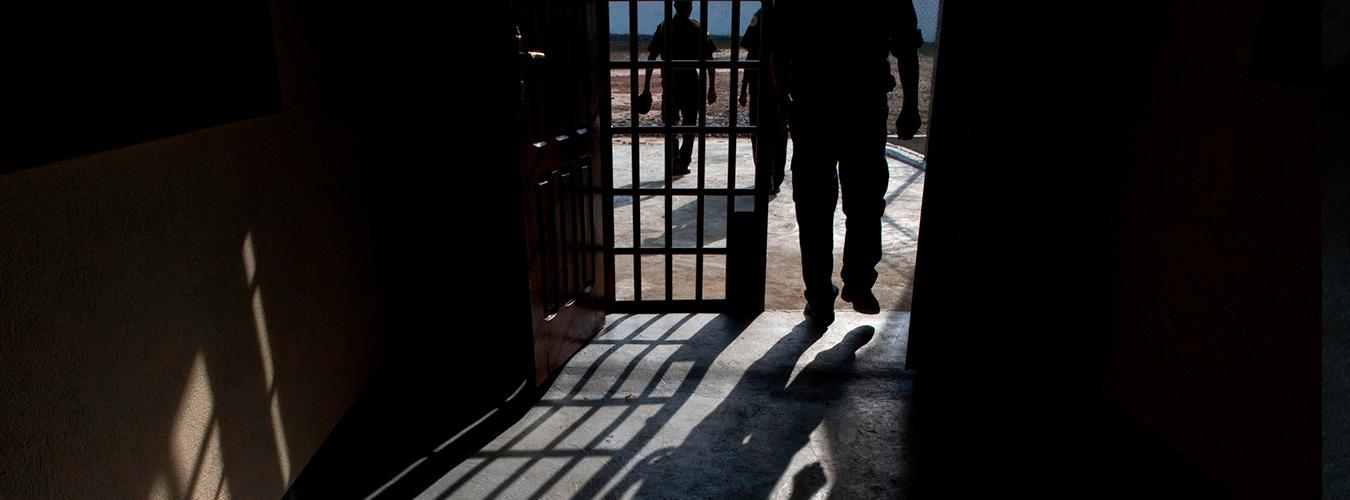
June 26, the “International Day in Support of Victims of Torture,” is not merely a date on the calendar; it is a stark reminder of one of the most fundamental pillars of contemporary international law: no individual, state, armed group, or political actor has the right to torture, humiliate, or strip away human dignity under any circumstances. Unlike many rules of international law, the prohibition of torture is an absolute obligation (jus cogens); neither war, the fight against terrorism, national security, political aspirations, nor any other socioeconomic expediency can ever justify its practice.
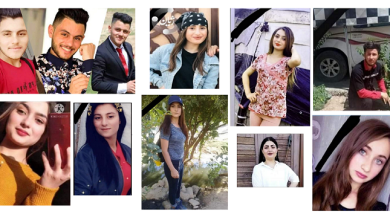
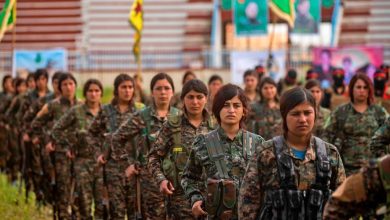
Despite this foundational principle, thousands of victims across the globe have yet to see justice, or even have their stories heard. One of these lesser-known narratives belongs to the border regions of Iran and the camps of certain Kurdish armed groups in the Kurdistan Region of Iraq. Over the past years, numerous reports have emerged from these areas regarding the recruitment of child soldiers, sexual violence, torture, forced marriage, arbitrary detentions, deprivation of contact with families, and other systemic forms of human rights violations.
Based on the documentation compiled by the Iranian Kurdistan Human Rights Watch (IKHRW), testimonies from defectors of the Democratic Party of Iranian Kurdistan (KDPI), the Free Life Party of Kurdistan (PJAK), the Komala Revolutionary Organization of the Toilers of Iranian Kurdistan, and the Kurdistan Freedom Party (PAK) present a deeply concerning picture of human rights conditions inside these armed groups’ camps. While every claim must be independently investigated and verified, the recurrence of identical patterns across multiple distinct reports underscores the urgent need for independent and impartial inquiries.
What distinguishes these testimonies from many other human rights cases is not just the occurrence of violence, but the extreme vulnerability of the victims. These are children who receive military training instead of going to school; adolescents trapped within closed organizational structures instead of experiencing normal human development; and young girls and boys who, in several accounts, speak of sexual abuse, torture, humiliation, and the denial of the most basic human rights.
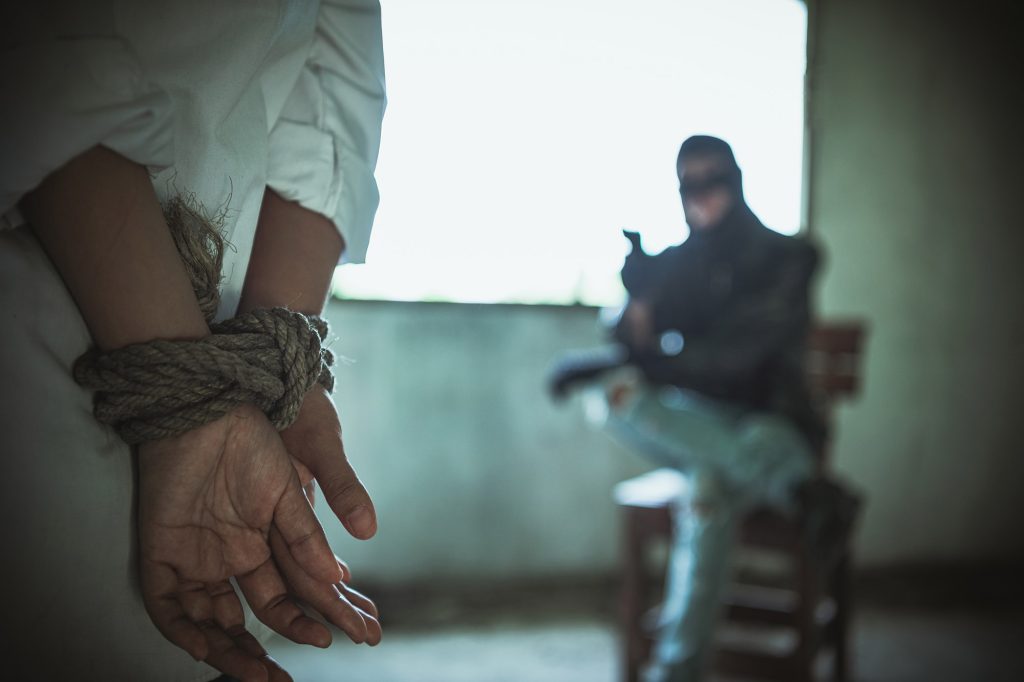
If these accounts are accurate, the issue extends far beyond the violation of a few fundamental rights; it raises the probability of serious breaches of international humanitarian law (IHL) and international human rights law. The recruitment and use of individuals under the age of eighteen in armed conflicts, torture, inhuman treatment, gender-based violence, depriving individuals of the freedom to defect, and blocking their communication with families are all explicitly prohibited under international frameworks and carry international responsibility, as well as individual criminal liability in certain instances.
In recent years, some of these armed groups have attempted to project a human-rights-compliant image by signing international initiatives and declaring commitment to humanitarian standards. While this is inherently a positive step, legitimacy is not earned through mere declarations. Legitimacy becomes meaningful only when commitments translate into practical conduct, allowing for independent monitoring, access for international observers, transparent reporting, and genuine institutional accountability. No armed group should be permitted to use the language of human rights for political leverage while simultaneously evading human rights oversight.
On the other hand, focusing solely on the actions of armed groups is insufficient; we must also examine the socio-economic underpinnings that lead youth to these groups. Poverty, underdevelopment in border regions, perceived discrimination, limited educational and employment opportunities, and weak social safety nets create an environment where adolescents are uniquely vulnerable to recruitment, deception, or coercion. Countering this cycle cannot be achieved through security measures alone; it demands development-oriented policies, social justice, and the strengthening of human capital in border communities.
Nevertheless, none of these underlying factors diminish the liability of those who commit human rights abuses. International law strictly separates political motivation from legal responsibility. Political causes, even if deemed legitimate, never grant a license for torture, sexual violence, the use of child soldiers, or the violation of human dignity. Therefore, the International Day in Support of Victims of Torture must transcend mere expressions of sympathy and become an explicit demand for accountability.
This accountability relies on specific international frameworks. The UN Special Rapporteur on Torture, the Special Rapporteur on the situation of human rights in Iran, the Special Rapporteur on violence against women and girls, the Special Representative of the UN Secretary-General for Children and Armed Conflict, the Committee on the Rights of the Child, the Committee Against Torture, UNICEF, and other thematic mechanisms of the UN Human Rights Council can investigate, document, and pursue these allegations within their respective mandates. Furthermore, independent human rights organizations must demand access to victims, witnesses, and the camps where these groups are stationed to ensure the truth is uncovered through independent investigations rather than political narratives.
Should these allegations be substantiated by independent inquiries, the international community must look beyond moral statements. Implementing targeted sanctions against perpetrators, documenting evidence for future judicial proceedings, utilizing the principle of universal jurisdiction in countries whose domestic laws allow it, supporting victim reparation programs, and providing medical, psychological, and legal assistance to survivors are all established mechanisms of accountability under international law.
What remains most alarming is the normalization of violence. A society that views armed children as ordinary, or treats accounts of rape and torture as routine daily news, loses more than just today’s victims; it jeopardizes its own moral foundation. The primary threat is not merely the occurrence of violence, but its gradual acceptance as an inevitable reality of life.
The International Day in Support of Victims of Torture reminds us of a shared responsibility: to amplify the voices of victims who have been marginalized for years, ensuring their suffering is not weaponized for political rivalry. Advocating for human rights retains its integrity only when it is demanded universally for all victims under a single standard, regardless of their identity, ethnicity, religion, or political affiliation. If human dignity is the foundational value of international law, no child, woman, or man should fall outside its protective umbrella due to silence. Justice begins only when the truth is heard, and the truth is heard only when the silence ends.
Dr. Ali Farahmand (Iranian Kurdistan Human Rights Watch – IKHRW) June 26, 2026