
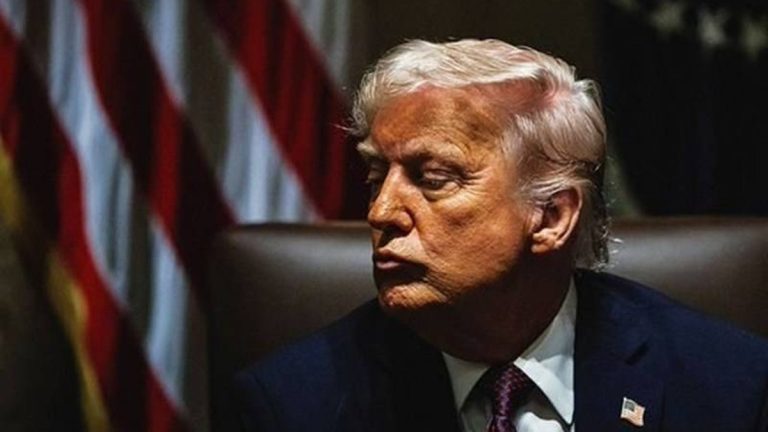
Donald Trump’s recent admission of sending weapons to anti-Iranian Kurdish armed groups stands as one of the most significant points of his speech. This is an issue that the “IKHRW” (Iranian Kurdistan Human Rights Watch) had long highlighted as a matter for human rights organizations and international forums, issuing repeated warnings. Beyond political posturing, this confession serves as legal evidence of the violation of Iranian national sovereignty and the equipping of terrorism.
The Israeli Footprint and the Events of January 2026
Given Israel’s alignment with the United States in hostile actions against Iran, combined with the confession of weapon shipments, it can be concluded that Israel is also a primary supplier of arms for these groups. Within this framework, during the January 2026 events in Iran, armed attacks were carried out by unidentified individuals against civilians in several Kurdish regions, including Ilam and Kermanshah. Following these incidents, official authorities repeatedly stated that these shootings were conducted by members of Kurdish armed groups and their affiliates—a fact that reinforces the hypothesis of foreign actors playing a role in equipping these militias.
Critique of the Government’s Approach to Counter-Terrorism
Despite the gravity of the situation, this issue was not pursued with the necessary diligence by the Iranian government. Although Iran targeted several headquarters of Kurdish armed groups in the Iraqi Kurdistan Region with missiles and drones during the recent conflict, one can still criticize the negligence in confronting organized terrorism in this region. This negligence has directly impacted the security of Iran’s western borders and Kurdish-populated areas.
In comparison, Turkey has utilized a strategy of pre-emptive strikes to prevent the armed activities of opposing Kurdish groups, attempting to contain the threat before it spreads. Now that Trump has practically acknowledged the arming of these forces, Iran is expected to utilize its legal and international capacities to file cases and secure the condemnation of these groups in global forums, in addition to military actions.
Contradictions in Discourse: Civil Activity or Armed Existence?
Notably, some of these armed groups attempt to present themselves as political parties and civil activists in Kurdish regions, denying the militant nature of their activities. In this context, one can point to the interview of Khalid Azizi, Secretary-General of the Kurdistan Democratic Party of Iran (PDKI), with VOA, in which he claimed the group’s headquarters are engaged in civil and non-military activities. However, the confession of arming these groups by high-ranking U.S. officials creates a glaring contradiction with such claims. Many other leaders of these groups have made similar attempts in interviews to deny their military nature—claims that do not align with field evidence or foreign officials’ statements regarding their equipment.
Strategic Conclusion and Recommendation
Regardless of the outcome of the current war by the U.S. and Israel against Iran, the Islamic Republic of Iran must not allow these armed groups to continue their militant existence. Within the framework of conditions for ending the conflict, the complete disarmament of these groups should be raised as a primary demand. This demand can play an effective role in strengthening national security and the stability of border regions.